
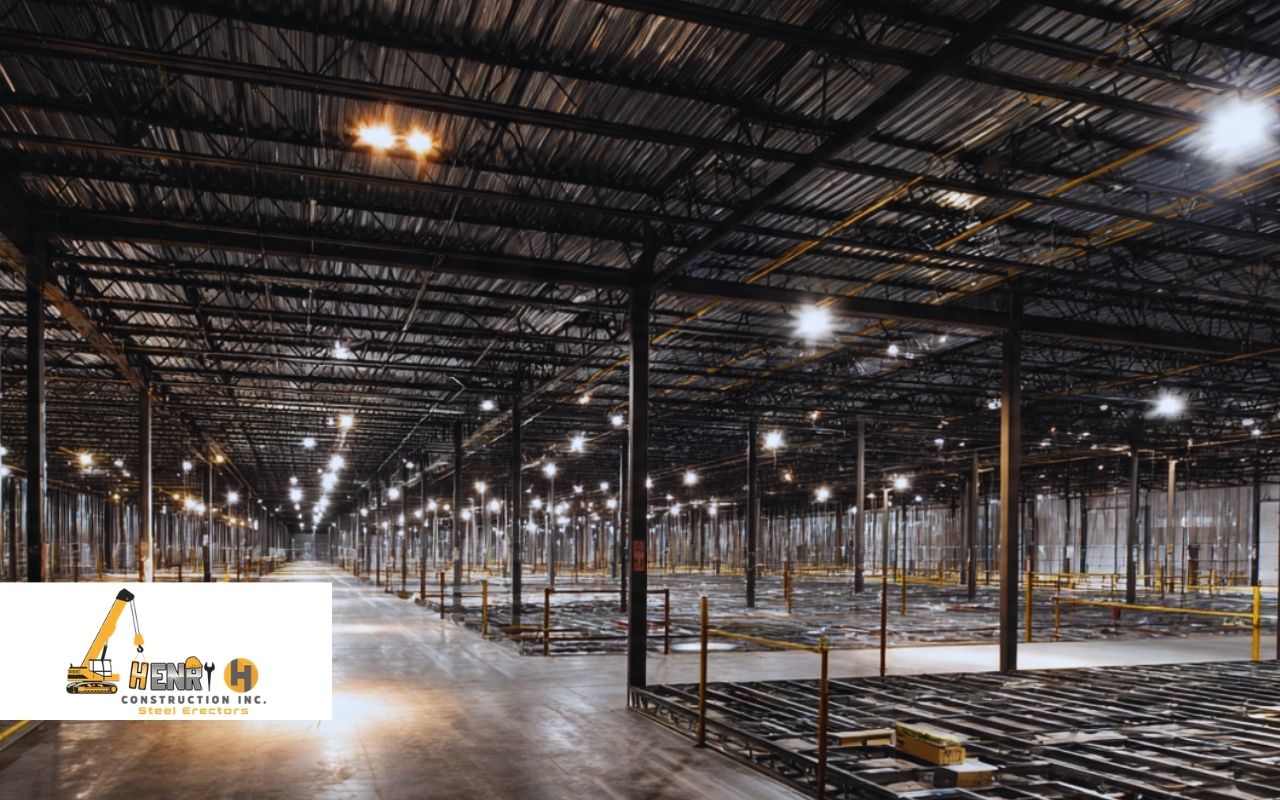
Warehouse Steel Expansion Framing in Indianapolis starts with a clear path from idea to action. First, set goals for space, speed, and safety, and match them to the way your teams move each day.
Then, consider local weather, truck routes, and soil conditions, because these details affect frames, bay spacing, mezzanines, and dock additions. Study live loads from pallets, forklifts, and stored goods, so your new steel supports daily work without stress.
Keep the design simple, flexible, and ready to grow again. Choose parts and connections that install fast and change easily. In addition, work with clear drawings and short checklists, so everyone understands the plan. When each step stays simple, your expansion runs smoother, costs stay clearer, and your warehouse keeps working while the new space appears.
Assess Indianapolis site and city factors
Evaluate how Indianapolis affects your steel expansion from day one. Look at access roads, winter freeze cycles, and common wind patterns, since all can change framing choices and build speed.
Check soil reports to choose the right foundations under new bays, mezzanines, and dock additions. Map truck turns and trailer lengths to place docks where drivers have safe, wide space. Measure daily traffic inside the warehouse to protect work paths during construction.
- Review local rules for fire safety, exits, and height limits, and plan clear routes for inspectors.
- Track live loads from racks and forklifts, and mark any zones with higher stress and movement.
- Keep a short list of risks, such as tight property lines, drainage paths, or nearby neighbors.
When you know these limits early, your steel layout fits the site and avoids costly changes later. To see how careful planning looks in finished buildings, explore our
warehouse expansion project portfolio.
Plan Warehouse Steel Expansion Framing in Indianapolis for flexible growth
Choose bay spacing that supports today’s work and tomorrow’s changes. Wider bays can fit tall racks, long conveyor lines, and open travel lanes for forklifts. Meanwhile, tighter bays can lower steel sizes and speed installation, but they may restrict future layouts and new equipment.
In Indianapolis, think about snow and wind when picking spans, because these forces affect beam depth and bracing. Place columns to align with rack aisles and dock doors, so traffic flows without stops or tight turns.
- Keep several bays ready for future mezzanines by planning simple, visible connections now.
- Use uniform spacing where possible, since repeated parts cut time, errors, and material waste.
- Avoid unusual bay sizes unless they solve a real problem that simpler layouts cannot handle.
When spacing stays simple and consistent, you gain a clean rhythm for lighting, sprinklers, and utilities, and you make future expansion easier to design and build.
Align bay spacing with daily warehouse flow
Map typical forklift paths, picker routes, and pallet staging zones before finalizing spans. Then, adjust column positions to keep these paths straight and clear. As a result, the structure supports both current operations and future changes with less rework.
Design steel framing for live loads
Size your steel framing to handle real live loads, not hopeful guesses. Count pallets per level, rack heights, and forklift weights, and include busy-hour peaks. Think about dynamic effects when trucks brake or lifts turn fast, because small moves can add large forces.
In cold Indianapolis days, floors can feel harder and wheels can bounce, so allow for that in your load plan. Keep deflection limits tight under racks and mezzanines to protect safety, products, and long-term performance.
Choose bracing that leaves clear aisles for people and machines. Use simple, repeatable connections that crews install the same way every time. When Warehouse Steel Expansion Framing in Indianapolis carries live loads with room to spare, daily work feels calm, shelves stay straight, and maintenance remains low across the life of the warehouse.
Integrate mezzanines for space efficiency
Add mezzanines to unlock vertical room without changing your footprint. Place stairs where teams need fast access, but keep main floors open for forklifts and pick carts. Plan live loads based on shelf density and people movement, and size steel to limit bounce, sway, and excess noise.
Align mezzanine columns with bay spacing below to avoid clutter and protect travel lanes. In Indianapolis, consider comfort in hot and cold seasons; add simple fans and good lights under and above the deck.
- Pre-plan railing, gates, and pallet drop zones so work stays safe, quick, and organized.
- Keep headroom clear under beams and avoid low points near busy paths or staging zones.
- Reserve clear edges for future conveyors, picking lines, or light assembly areas.
Well planned Warehouse Steel Expansion Framing in Indianapolis can reserve clean support points for future mezzanines. When mezzanines connect neatly to your bays and docks, you gain bright space that supports picking, packing, and light assembly without slowing the floor.
Add dock additions for faster flow
Extend dock areas to cut wait times and smooth shipping peaks. Set new dock height to match your fleet and regular carriers, and use clear lines for backing and turning. Place doors near main aisles so pallets move in straight paths from trailer to rack.
In Indianapolis, ice and snow can affect aprons, so plan safe slopes, drainage, and rugged finishes. Choose canopies and bumpers that protect people, trucks, and frames through daily use.
Keep live loads from forklifts in mind when sizing edge beams and deck plates. Add short covered staging zones so goods do not crowd aisles. Fit lighting and traffic signals that stay visible in bright sun and winter dusk. With thoughtful dock additions, your warehouse speeds up, errors fall, and teams work with less stress.
Choose foundations and slabs for expansion
Match foundations and slabs to your expansion plan, not just the drawings. Use soil data to select footing sizes under columns, mezzanine posts, and dock additions. Allow for live loads from racks and busy forklift routes, especially near corners and tight turns.
Plan slab joints away from rack legs and wheel paths to reduce wear and bumps. In Indianapolis, consider freeze–thaw cycles and protect edges, drains, and door thresholds from cracking and heaving.
Keep slab flatness high in picking zones and at dock aprons, since smooth travel saves time. Add reinforcement where loads change, such as under mezzanine stairs or at conveyor supports. Design details that let future bays tie in without cutting or long shutdowns. When the ground works well with the steel above, everything stays level, strong, and easy to maintain.
Coordinate utilities and fire safety early
Bring utilities and life safety into the layout before steel drawings are final. Place sprinklers so heads fit between beams and do not block racks or mezzanines. Route lighting and low-voltage lines along neat paths that match bay spacing and avoid future clashes.
Plan fire exits and travel distances that stay valid after dock additions or new aisles. In Indianapolis, confirm local rules for alarms, hydrants, and water flow, then size pipes with a little room to grow.
Keep electrical panels in quiet, safe spots with clear access. Add hose stations and eyewash points where teams handle liquids. Label everything simply and use colors that staff understand. When utilities align with the frame, crews install faster, inspections go smoothly, and the building stays safe during busy shifts.
If you want a single team to coordinate structure, utilities, and safety from the start, review our
warehouse design and construction services.
Phase construction to limit downtime
Stage the work so the warehouse keeps moving. Split the expansion into clear phases, and fence each area with simple signs and safe walk paths. Shift stock temporarily into nearby bays or light mezzanines to free space for steel crews.
Set short windows for loud tasks and deliveries to avoid peak shipping hours. In Indianapolis winters, plan indoor tasks during storms and outdoor pours on dry days. Keep extra pallets and totes ready so teams can move goods quickly when a zone closes.
Meet daily with a short checklist that covers safety, progress, and next moves. Share a simple map that shows today’s open routes and closed aisles. With calm, steady phasing, you protect orders, avoid confusion, and let construction finish on time without heavy disruption.
Future-proof with modular steel details
Select modular details that welcome the next change. Use clip angles and slotted holes where safe, so teams can adjust racks, lights, and guards without rework. Keep bay spacing consistent to fit new conveyors or mezzanine extensions later.
Choose mezzanine decks that accept extra posts, stairs, or gates with minimal drilling. For dock additions, allow space for more doors and a longer canopy when shipping grows and fleets change.
In Indianapolis, think about fleet shifts, from small vans to longer trailers, and keep turning room flexible. Leave simple sleeves or embeds in slabs for future utilities. Label frames and parts with clear tags to guide later crews. With Warehouse Steel Expansion Framing in Indianapolis built around modular details, your warehouse stays ready for new products, new routes, and fresh demand.
Frequently Asked Questions
How do I start planning Warehouse Steel Expansion Framing in Indianapolis?
Begin by defining goals for capacity, speed, and safety. Next, review site limits, city rules, and live loads. Then, work with a partner who can balance structure, operations, and permits from concept through construction.
How does bay spacing affect long-term warehouse flexibility?
Bay spacing shapes rack layouts, travel lanes, and future mezzanines. Wider bays support tall racks and open paths, while tighter bays can lower steel costs. However, consistent spacing usually makes future changes and expansions easier and faster.
When should mezzanines be included in the expansion design?
Plan mezzanines early, while frames and foundations are still flexible. This timing lets you align columns, plan live loads, and reserve safe stairs, gates, and drop zones without expensive retrofits.
What local Indianapolis factors impact live loads and framing choices?
Winter snow, freeze–thaw cycles, and common winds all affect framing depth and bracing. Local codes, fire rules, and soil reports also guide live load limits, foundation details, and dock locations around the site.
How can I keep operations running during a warehouse steel expansion?
Use clear phases, temporary storage zones, and short windows for noisy or disruptive work. Daily check-ins, simple maps, and visible signs help teams move safely while construction advances in small, controlled steps.
Check budget, permits, and timeline risks
Review money, permits, and schedule risks with open eyes. List the largest cost drivers, such as bay spacing choices, mezzanine size, dock additions, and live load targets. Note supply times for common steel shapes and deck, since delays can change installation order.
Clear choices about Warehouse Steel Expansion Framing in Indianapolis help leaders see cost and schedule effects early. In Indianapolis, confirm permit steps and typical review durations, then add buffer days to your plan.
Keep a simple matrix of options and outcomes, so leaders can pick quickly without guesswork. Track changes with short notes and dates to avoid confusion. Share weekly progress in plain language and photos. When the team understands what may slow the job, they can act early, protect the path, and stick to the timeline while keeping quality and safety strong.
When you are ready to talk through your warehouse expansion ideas, you can
start a conversation with our Indianapolis team
and explore practical next steps.