
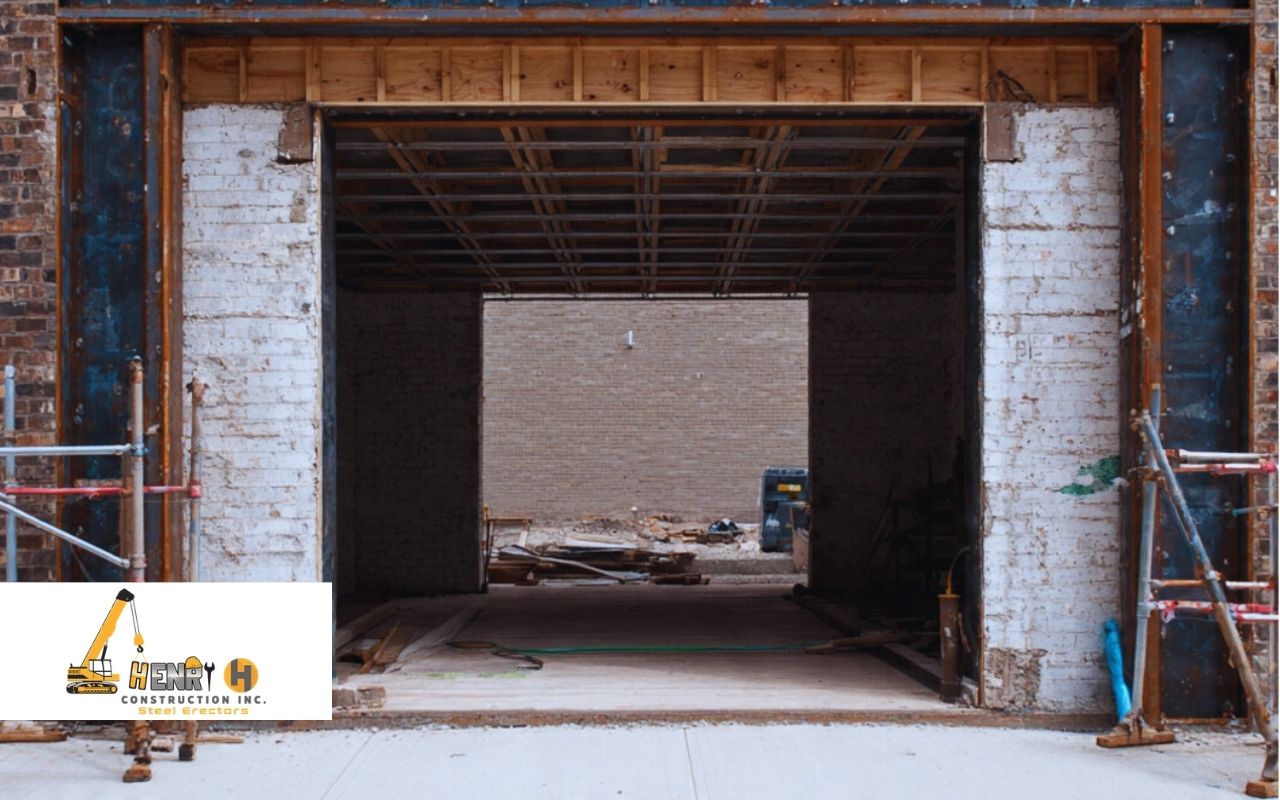
Understanding structural parts in construction can feel overwhelming. However, getting them right keeps your project safe and steady. Structural steel lintels help spread weight above doors, windows, and other openings. Moreover, learning how they work within Indianapolis rules helps projects run smoothly and last longer.
In a busy Indianapolis, new builds and remodels happen every day. Therefore, builders need more than basic tools to protect openings. In this Structural steel lintels & openings Indianapolis guide, you will learn load transfer, temporary bracing, and install sequencing. As a result, each opening stays strong over time.
The Importance of Structural Steel Lintels
When a doorway or window is cut into a solid wall, the weight above still needs support. Otherwise, you can see cracks, sagging, or even a partial collapse. Structural steel lintels span the gap and move weight safely into the wall below. In this Structural steel lintels & openings Indianapolis guide, a proper lintel also helps keep doors and windows working well.
Also, a lintel must handle more than steady weight. Temperature shifts, minor settling, and small building movement can add stress over time. Therefore, choosing the right steel size and strength helps prevent bending and droop. As a result, buildings across Indianapolis stay safer and last longer.
Understanding Weight Paths Above Openings
Think of a beam that picks up weight and passes it to supports on each side. Likewise, lintels over doors and windows do the same job. Good load transfer keeps the wall around an opening stable and helps avoid cracks. Therefore, planning the opening and lintel size together is essential.
- First, map where wall weight will travel above the opening.
- Next, size the lintel to carry the wall facing and any added weight.
- Then, confirm solid end supports so weight can move safely downward.
Moreover, this matters even more for tall walls and heavy facades. Otherwise, small errors can grow into big problems later. In this Structural steel lintels & openings Indianapolis guide, clear weight planning helps protect finishes and keeps openings square.
Lintels and Indianapolis Building Rules
In Indianapolis, builders must follow local code rules for lintel strength and placement. Therefore, each opening meets safety needs for homes and larger buildings. This Structural steel lintels & openings Indianapolis guide highlights that code checks are not just paperwork. Instead, they help structures handle local weather, soil movement, and daily use.
- Check end bearing length so the lintel sits on solid masonry.
- Use rust protection like paint systems or coated steel when needed.
- Stay within allowed droop limits to protect doors and windows.
Also, choosing steel that inspectors accept helps avoid delays. If you need experienced local help, explore structural steel services in Indianapolis for guidance on planning and compliance.
Types of Structural Steel Lintels Used in Construction
On job sites, you often see angles, channels, and I-shapes. Each shape can act as a lintel, depending on the span and weight. Angles often fit smaller openings, while channels and I-shapes can handle heavier loads and longer gaps. Therefore, matching the shape to the job reduces risk and waste.
- Angle lintels: helpful for smaller openings and lighter wall facing.
- Channel lintels: useful when you need more stiffness in a compact shape.
- I-shape lintels: better for longer spans and heavier wall weight.
Key Factors When Choosing a Steel Lintel
Choosing the right lintel starts with knowing the opening size and expected weight. First, estimate the brick, block, or stone above the opening. Then, include any added weight from floors, balconies, or roof edges. As a result, you can pick a steel grade and shape that can carry the demand.
Also, think about the local setting. If moisture or salts are common, coated or galvanized steel can help slow rust. Moreover, verify end bearing so each side rests on sound masonry. This Structural steel lintels & openings Indianapolis guide stresses that load transfer improves when the lintel sits on firm supports.
Temporary Bracing During Lintel Installation
During installation, temporary bracing helps keep the wall steady. For example, timber posts or adjustable steel shores can support the opening until the lintel is set and secured. Therefore, bracing reduces unwanted movement and helps protect the surrounding masonry.
- Place supports under the wall area that will be affected by the cut.
- Adjust braces to hold firm without pushing the wall out of line.
- Remove supports slowly after the lintel is anchored and stable.
Proper Install Sequencing for Structural Steel Lintels
Good install sequencing keeps work clean and predictable. First, clean the bearing areas so the lintel sits flat. Next, place the lintel on mortar or sealant, and then check level and alignment. After that, secure it with the right method, such as bolts or welded plates, when required.
- Clean and prep bearing surfaces before setting the lintel.
- Set, level, and align the lintel before final fastening.
- Fill gaps with non-shrink grout, and then allow proper curing.
Moreover, a final inspection helps confirm the lintel is seated well. As a result, the opening is ready to carry weight safely and stay true over time. This Structural steel lintels & openings Indianapolis guide encourages planning each step before work begins.
Maintenance Tips for Long-Lasting Lintels
Regular checks can catch issues early. For instance, look for rust, peeling paint, or cracks in nearby mortar. Therefore, keeping protective coatings in good condition helps preserve steel strength. Also, small touch-ups can stop damage before it spreads.
Additionally, manage water around the opening. Good flashing and drainage help prevent water from pooling near the lintel. As a result, you reduce rust risk and mortar washout. If you need help planning repairs or upgrades, use the Henry H Construction Inc contact page to discuss next steps for your project.
Common Issues and Practical Fixes
Cracks often start near lintel ends when end support is too short or when the wall settles. Therefore, extending the bearing area or adding a bearing pad can help. If lintel droop becomes visible, upgrading the steel size or adding support may be needed. Also, rust should be treated early to avoid deeper damage.
- End cracking: increase bearing length or improve end support.
- Visible droop: use a stronger shape or add a supporting element.
- Rust: clean, prime, and repaint with a rust-resistant system.
Frequently Asked Questions
What does a steel lintel do above a window or door?
It spans the opening and spreads the wall weight into the supports on each side. Therefore, it helps prevent cracks and sagging.
Why is load transfer important for openings?
Because weight must move around the opening safely. As a result, good load transfer protects masonry and keeps the opening square.
When should temporary bracing be used?
Use temporary bracing before cutting or removing support material. Then, keep it in place until the lintel is secured and stable.
What is the best install sequencing approach?
Prep the bearing surfaces, set and level the lintel, fasten it properly, and then grout and cure. After that, inspect and remove bracing.
How can I help my lintels last longer?
Inspect for rust and cracks, keep coatings intact, and manage water with proper flashing. Consequently, lintels can perform well for decades.
Keeping Openings Safe with the Right Lintel Know-How
By learning the basics of lintels and openings, Indianapolis builders can create safer, longer-lasting structures. Each step matters, from picking the right shape to following local rules. Moreover, good load transfer, temporary bracing, and install sequencing help prevent delays and avoid costly fixes. This Structural steel lintels & openings Indianapolis guide supports smarter planning and better results.