
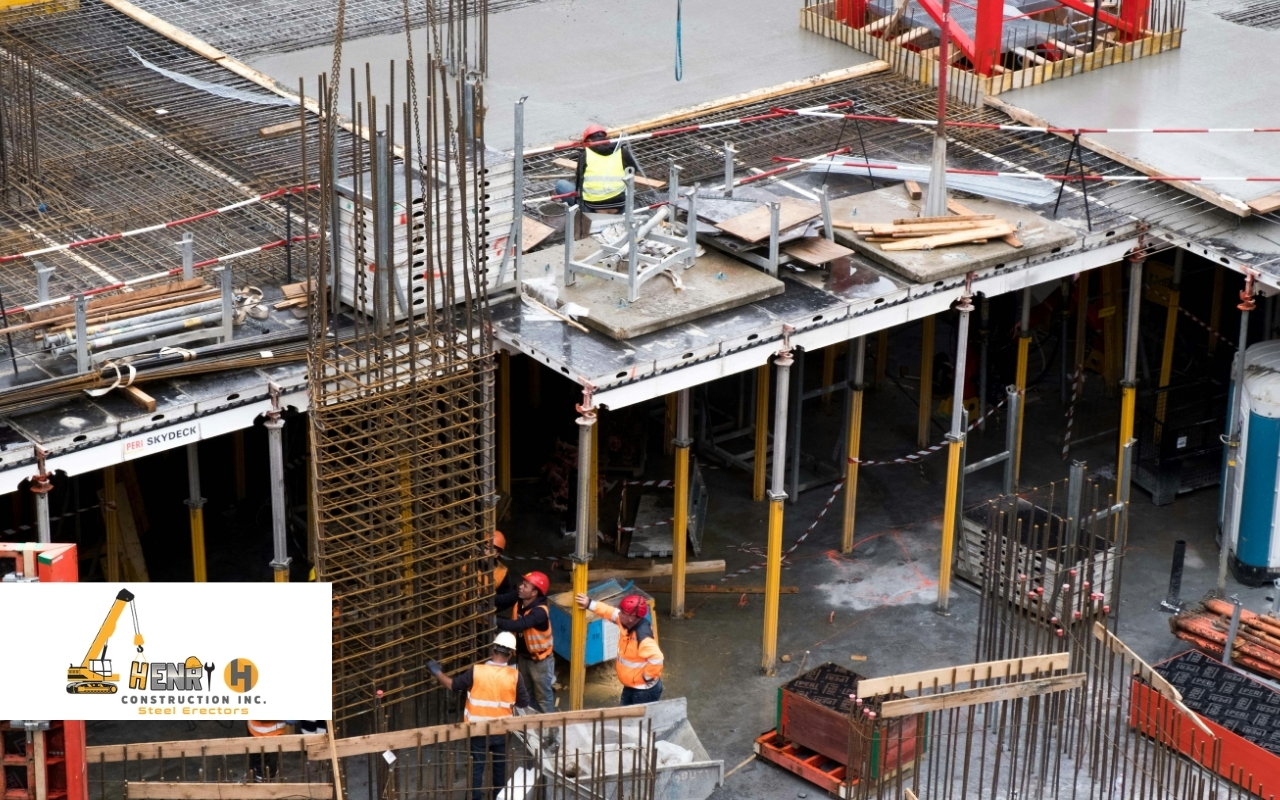
Navigating the world of steel erection zoning Indiana can feel like decoding a complex puzzle. Regulations balance safety, structural integrity, and aesthetics. Understanding them ensures your project aligns with community standards. Informed decisions improve project outcomes from inception to completion. For expert guidance, consider contacting our team.
Understanding the Basics of Steel Erection Zoning Regulations in Indiana
Indiana establishes zoning frameworks for steel erection projects. Municipalities adopt maps dividing land into residential, commercial, industrial, and agricultural districts. Each district defines permitted uses, building heights, and setback requirements. Consulting local ordinances ensures steel erection zoning Indiana compliance.
Overlay districts and special-use provisions impose additional conditions, like noise, lighting, and environmental safeguards. For example, industrial parks in Watershed Protection Overlays require stormwater management measures. Early planning avoids delays and builds community trust.
Key Considerations for New Construction Projects
Site selection impacts project success. Assess zoning classification, topography, soil, and utility access to maintain compliance. Engage early with planning departments to identify potential conflicts in lot coverage or building height. Infrastructure improvements, like road or utility extensions, may require permits or bonds. Understanding steel erection zoning Indiana regulations ensures smooth approvals and avoids costly delays. Develop risk management plans for weather, supply chain issues, and unforeseen conditions.
Navigating Zoning Modifications for Existing Steel Structures
Modifications often require distinct zoning procedures. Changes in use or expansion can trigger zoning review. Determine if current zoning permits the proposed use or if a variance is needed. Structures with legal nonconforming status may continue operation but often restrict expansion. Obtaining a variance requires demonstrating minimal impact on neighbors and mitigating hardship.
Compliance with Safety Standards and Structural Integrity Requirements
Beyond land-use, Indiana requires adherence to the International Building Code with state amendments. Structural design must accommodate wind, seismic, and live loads. OSHA standards govern fall protection, crane operations, and rigging practices. Site-specific safety programs, worker training, and equipment inspections are mandatory. Rigorous adherence protects workers and ensures compliance with steel erection zoning Indiana guidelines. Learn more about OSHA steel erection standards.
Aesthetic Guidelines and Community Standards for Steel Erection
Steel structures must respect community aesthetics. Design guidelines may dictate façade treatments, colors, landscaping, and screening elements. Engage stakeholders early to align designs with neighborhood expectations. Review boards check elevation drawings, materials, and site plans. Well-prepared renderings and landscaping proposals can expedite approvals and reduce opposition. Compliance with steel erection zoning Indiana includes balancing industrial needs with local character.
Expert Tips for Streamlining the Zoning Approval Process
Coordinate early with zoning staff, fire marshals, and public works departments. Pre-application meetings identify potential challenges. Submit comprehensive packages including site plans, environmental assessments, and architectural renderings. Maintain open communication and respond promptly to feedback. Using a dedicated liaison or zoning consultant can expedite approvals. Phased project approaches optimize resources and reduce delays. Implementing these strategies ensures smoother compliance with steel erection zoning Indiana.
Sustainability Practices and Green Building Initiatives in Steel Erection Zoning
Integrate sustainable practices to align with Indiana incentives. LEED certification or renewable energy systems may offer expedited reviews or bonuses. High-performance insulation, reflective roofing, and rainwater harvesting reduce environmental impact. Adaptive reuse of steel structures minimizes waste. Collaborate with sustainability consultants to exceed code requirements while meeting community goals. Consider quality control measures to ensure long-term compliance.
Frequently Asked Questions
What are the primary zoning districts that affect steel erection projects in Indiana?
Projects typically fall within commercial or industrial districts. Each district defines allowable uses, building heights, lot coverage, and setback requirements. Consult local ordinances, including overlays or conditional use provisions.
How do I determine if my existing steel structure qualifies for a zoning variance?
Establish that strict application of current rules causes undue hardship. Ensure granting a variance won’t negatively affect neighbors. Work with zoning departments to present site-specific evidence for approval.
What safety standards must be met during the steel erection process?
Compliance includes Indiana-adopted IBC structural requirements and OSHA regulations for fall protection, crane operations, and rigging. Site-specific safety programs and inspections are required.
Are there incentives for integrating green building practices in steel erection zoning Indiana projects?
Many municipalities offer expedited permits, density bonuses, or fee reductions for LEED-certified or renewable energy projects. These incentives encourage sustainability and improve project outcomes.
How can I engage with the community to address aesthetic concerns for my steel structure?
Share renderings and landscaping plans at public meetings or through design review boards. Offer façade, color, and landscaping adjustments to align with community standards.
Ensuring Success Through Informed Decision-Making
Mastering steel erection zoning Indiana requires knowledge, proactive engagement, and innovation. Understand zoning districts, anticipate challenges, and integrate sustainability measures. Strong relationships with officials and community members smooth approvals. Informed decision-making improves predictability, cost-effectiveness, and alignment with local goals. For guidance, contact our experts and streamline your steel erection project.
The Future of Steel Erection Zoning in Indiana: Trends and Projections
Emerging technology and urban development will shape future regulations. GIS mapping, digital permit tracking, and data analytics enhance transparency. Performance-based zoning models focus on outcomes like energy efficiency and stormwater reduction. Staying informed ensures stakeholders navigate evolving steel erection zoning Indiana requirements effectively.
Integrating regulations, safety standards, aesthetics, and sustainability ensures successful steel projects. By applying these insights, developers can turn zoning complexities into competitive advantages and deliver compliant, safe, and efficient structures.