
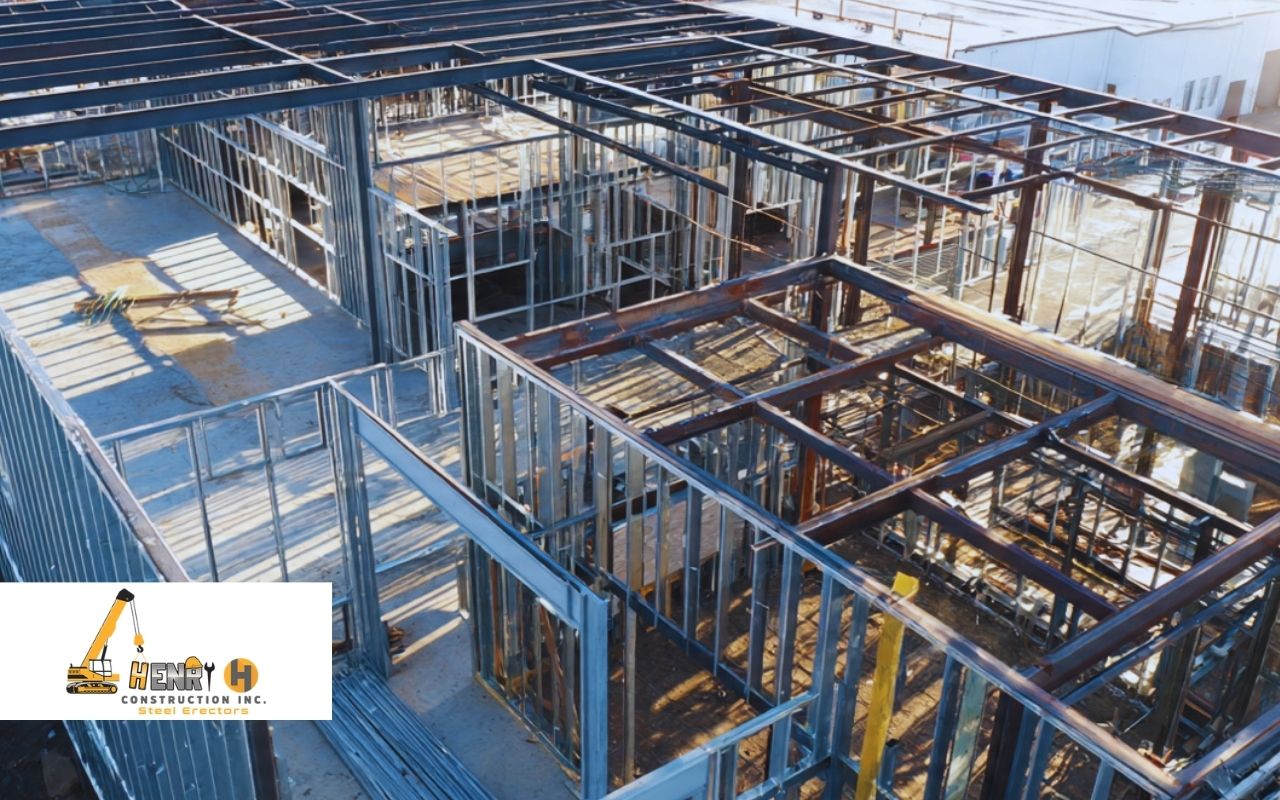
Steel Erection in Indianapolis Pre-Bid Scope Clarifications help set clear expectations before bids start. Clear notes let bidders see the full picture for steel erection in Indianapolis. This guide uses simple language to support global SEO while still focusing on local needs and real jobsite conditions.
It explains typical inclusions and exclusions, crane scope, embeds, and anchor bolts. It also covers schedule, site limits, coordination, safety, weather, and required documents. By sharing these points before pricing, you reduce risk, support fair comparisons, and help the project start smoothly with fewer surprises.
Each section gives practical details you can adapt to your bid form or RFI. The goal is not to add cost, but to add clarity, reduce changes later, and keep crews productive. Use this guide with your plans and specs, and adjust names, quantities, and dates to match the job.
Simple, clear rules lead to safer work and fewer surprises. If you need expert help building this scope, you can work with a trusted steel erection contractor in Indianapolis that understands both contract details and field realities.
Define Inclusions Clearly
State exactly what “steel erection” includes so every bidder prices the same work. List erection of primary steel, secondary members, and bracing, plus grating, stairs, and handrail if shown. When you use Steel Erection in Indianapolis Pre-Bid Scope Clarifications to define inclusions, you make the scope easier to follow for every team.
Core scope items to include
- Erection of main steel frames and secondary members.
- Installation of bracing, grating, stairs, and handrails when shown.
- Receiving, unloading, staging, and verified counts at delivery.
- Placement of decking, shear studs, and metal stairs when assigned.
Explain whether decking placement, shear studs, and metal stairs are in the erector’s scope or by others. Additionally, identify who installs temporary shoring and who removes it. Clarify whether layout for column lines is by the erector or the surveyor so the layout process is not left to chance.
Responsibilities, testing, and finishing
Note whether bolting to snug-tight or fully tensioned connections is required. Say if field welding is included, and which welds need testing. Include touch-up for shop primer damaged during handling. When inclusions are specific, bidders align their plans, crews, and equipment, and you get better schedules and dependable outcomes across all offers.
List Exclusions to Avoid Assumptions
Explain what is not included so bidders do not carry hidden tasks. Typical exclusions may be design changes, shop detailing, or rework caused by others. Also, state that site power, lighting, toilets, dumpsters, flagging, and road control are by the general contractor unless noted in the project scope.
- Snow removal, mud control, and off-site traffic management.
- Protection of finished work by others after turnover.
- Fireproofing, painting, and permanent stair pressurization.
- Anchor bolt setting unless clearly shown in the scope.
Remove responsibility for unsuitable soil under the structure, buried debris, and unexpected utilities. Say that building heating and winter enclosures are by others. Clear exclusions stop scope creep, protect the schedule, and help you compare bids fairly, because each team knows where their work ends and another trade begins.
Define Crane Scope and Lifting Plan
Explain who provides cranes, operators, rigging, and lift planning. State expected crane sizes, boom lengths, and any need for a second crane for tandem picks. Clear crane scope in your Steel Erection in Indianapolis Pre-Bid Scope Clarifications avoids idle time and supports safe, planned lifting activities.
- Identify who pays for crane setup and leaving the site.
- Clarify permits, street closures, and traffic control duties.
- Note if lifts occur on pavement or compacted gravel.
- Define who supplies crane mats for soft or weak areas.
Clarify working hours and any noise limits. Describe offloading sequence, staging zones, and stack heights to protect coated steel. Define who provides certified rigging, spreader bars, and man baskets. Require a lift plan for heavy or critical picks, reviewed before the crane arrives on site.
If the site needs a crawler crane or tower crane, describe handoff rules and scheduling. Clear crane scope avoids unsafe picks and keeps set sequences predictable, so the crew stays productive and the structure rises on plan. This planning also reduces last-minute changes that can affect nearby trades.
Coordinate Embeds and Pre-installed Items
Explain who furnishes and sets embeds, plates, and sleeves before steel erection begins. If concrete trades place embeds, require survey and as-built verification before the steel crew arrives. Clarify tolerance limits for elevation, plumb, and location so surprises do not appear when the first pieces of steel arrive.
- Define who sets missing or moved embeds.
- Describe tools and time allowed for corrections.
- Clarify weld tabs, angle seats, and pour stops.
- Identify any embeds affecting stairs, elevators, or curtain wall.
Provide a schedule for pour dates to align with delivery of embedded items. Also, ask for a hold point to confirm embed readiness. Good embed coordination prevents field fixes, reduces welding in awkward positions, and helps the first lifts go smoothly, saving crane hours and reducing rework.
Clarify Anchor Bolts and Base Plates
State who furnishes anchor bolts, who sets them, and how tolerances are checked. If the concrete trade sets bolts, require a survey report before the first delivery. Define acceptable drift, projection, and thread protection so columns stand plumb and the crew spends less time solving base issues.
Explain who repairs threads or replaces bent bolts. Clarify grout responsibility, grout type, and cure times before loading columns. If the erector must core drill or use epoxy anchors as a fix, explain pricing and approval steps. Note whether base plates arrive pre-leveled with shims or use leveling nuts.
Include requirements for templates, sleeves, and cover during pours. Clear anchor bolt rules reduce start delays and keep columns plumb during the first picks. When base conditions are right, crews move faster, connections fit, and the crane spends more time placing steel and less time waiting on fixes.
Plan Schedule, Sequencing, and Milestones
Share key dates for the start on site, first steel delivery, topping out, and handoff to following trades. Break the structure into logical sequences or zones, and show how decking, stair installs, and bolting follow the main frame. This structure helps every crew understand how their tasks connect.
- Define daily start times and weekend work rules.
- Note holiday limits and inspection hold points.
- Align delivery windows with crane availability.
- Include weather contingency days in colder months.
Note inspection points, including bolt tension checks and weld inspections. Provide milestones for steel ready for MEP rough-in. When the schedule is clear and realistic, the erector can plan crew sizes, crane days, and material flow. This reduces overtime and keeps downstream trades on track.
A shared timeline builds accountability, improves communication, and prevents small slips from growing into costly delays later in the project. For broader project needs, you can review all available construction services in Indianapolis to confirm how steel erection fits into your overall plan.
Address Site Access and Staging Limits
Describe access roads, gate times, and turning space for long trailers. Show staging zones, laydown size, and ground bearing capacity. State whether the general contractor provides gravel, mats, or timber for soft areas. This detail keeps trucks and cranes from getting stuck or delayed.
- Explain height limits under power lines and near airports.
- Note loading dock rules and escort needs for wide loads.
- Identify secure storage for rigging and safety gear.
- Require clear paths for emergency vehicles at all times.
If the site is tight, plan just-in-time deliveries and smaller loads. Well-defined access and staging help the crane set up safely and keep deliveries moving. Crews spend less time searching for space and more time erecting steel, which supports productivity and protects nearby structures and utilities.
Align Safety Practices and Training
List required safety rules for steel erection activities. Require daily toolbox talks and a site-specific safety plan. State fall protection methods for leading edges, including guardrails, safety lines, and personal fall arrest systems. Define tie-off points and maximum distances to keep workers secure at height.
Require certified operators, signalers, and riggers. Explain rescue plans for work at height and who provides equipment. Note PPE standards, welding screens, hot work permits, and fire watches. Include exclusion zones under lifts, tag lines, and wind limits for picks and decking to reduce accidents.
Ask for incident reporting and near-miss reviews. When safety practices are written and shared at pre-bid, bidders plan for training, gear, and time to do tasks correctly. This reduces incidents, keeps insurance claims low, and protects the schedule while building a respectful, strong safety culture onsite.
Coordinate with Other Trades Early
Explain how the erector will coordinate with concrete, MEP, façade, and roofing trades. Share rules for working under or above other crews. Plan for deck openings, mechanical penetrations, and elevator shafts so cuts and edges are safe and sealed after each phase of work.
Clarify who installs pour stops, edge angle, and stair landings before following trades arrive. Set weekly coordination meetings and a simple RFI path for quick answers. Show where welding might affect fire alarms or sensitive equipment. Good coordination lowers rework and avoids schedule clashes.
When each trade knows the sequence and the shared areas, the project moves in clear steps. This teamwork helps everyone meet milestones and maintain quality, especially in busy urban Indianapolis sites with tight access and strict city rules that must be respected from day one.
Prepare for Weather and Local Conditions
Plan for Indiana seasons and how they affect steel erection. Set wind limits for picking loads, decking, and man basket use. Explain snow and ice removal responsibilities on beams and walkways. Also, address winter concrete cure times before loading steel and adding new structural loads.
- Note heat rules for summer, including hydration breaks.
- Clarify lightning procedures and storm watch steps.
- Include allowances for freeze-thaw cycles on access roads.
- Define how temperature affects welding and bolt tensioning.
Include allowances for freeze-thaw cycles that affect crane mats and access roads. Define how temperature affects coatings and touch-up work. By naming weather rules in your Steel Erection in Indianapolis Pre-Bid Scope Clarifications, bidders include realistic time and simple safeguards in their plans and schedules.
Local planning reduces downtime and keeps the crew safe when weather turns quickly. It also helps maintain quality, protects equipment, and keeps progress steady through changing conditions that often challenge schedules across Indianapolis jobsites during different seasons.
Frequently Asked Questions
What are typical inclusions in a steel erection scope?
Typical inclusions are erection of primary and secondary steel, bracing, stairs, handrails, and related items shown on the drawings. They can also include unloading, staging, basic touch-up paint, and sometimes decking or shear studs. The exact list should be written clearly so every bidder prices the same set of tasks.
Why are exclusions so important in steel erection bids?
Exclusions remove hidden tasks and surprise costs. When you clearly state what is not included, like design changes, unsuitable soil fixes, or winter enclosures, you prevent scope creep. Clear exclusions also make it easier to compare bids fairly and see which contractor truly covers the requested work.
Who usually pays for cranes and lifting costs?
Responsibility for cranes and lifting costs depends on the contract. Often, the erector carries the crane when they control lifting. In other cases, the general contractor provides a shared crane. Your written scope should state who pays for setup, permits, street closures, and crane mats to avoid disputes.
How should embeds and anchor bolts be checked before steel erection?
Embeds and anchor bolts should be surveyed and documented before the steel crew arrives. Tolerances for elevation, plumb, and location must be agreed in advance. If issues appear, your scope should explain who corrects them, how pricing is handled, and how these fixes affect the schedule and crane time.
How can I get help planning a steel erection scope in Indianapolis?
You can review your drawings with an experienced local contractor who knows steel erection work in Indianapolis. For project-specific questions, timelines, and coordination needs, you can also contact Henry H Construction to discuss your planned scope in more detail before bids go out.
Specify Submittals, RFIs, and Closeout
Request a clear list of submittals: lift plans, rigging certifications, weld procedures, bolt tension methods, and safety plans. Set timelines for review so approvals do not delay the start on site. Simple documents linked to your Steel Erection in Indianapolis Pre-Bid Scope Clarifications keep teams aligned and informed.
Define the RFI format, response time, and who the contact is for quick decisions. Require as-built updates when embeds, anchor bolts, or steel members differ from drawings. Note inspection records for bolts and welds, plus decking fastener logs if applicable, so important details are not lost.
At closeout, ask for turnover documents, warranties limited to workmanship, and maintenance tips for touch-up paint areas. When documents are simple and predictable, teams spend less time in email loops and more time building. Clear paper trails also support future maintenance and confirm that the steel erection scope met the plan.