
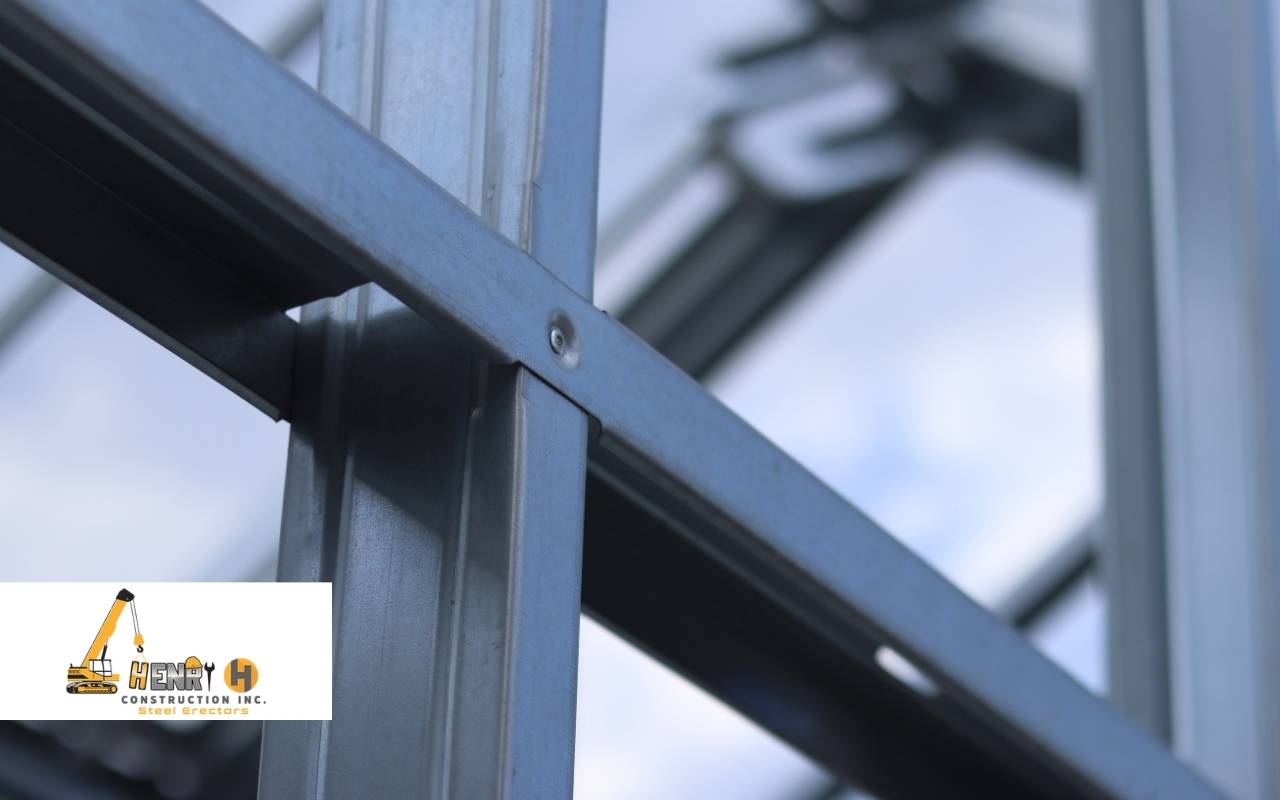
Expansion plans are approaching, and you face a major choice: pre engineered metal building vs structural steel. Both methods provide unique strengths. The decision you make today can influence your budget, timeline, and long-term growth. As construction technology advances, selecting the right option ensures durability and efficiency. By analyzing their advantages, you can align with your 2026 goals. The question remains: which framework will support your ambitions best?
Cost Considerations: PEMB vs. Structural Steel
The discussion around pre engineered metal building vs structural steel often begins with cost. Beyond raw material, you must evaluate fabrication, transportation, and assembly. PEMBs arrive prefabricated, reducing on-site labor waste. In contrast, structural steel usually requires extensive welding and bolting on site. This often leads to higher labor charges. Long-term costs also matter. PEMBs allow modular expansion, lowering future investment. Structural steel may cost more upfront but delivers higher salvage value. Carefully compare lifecycle expenses before choosing.
- PEMB reduces on-site labor hours.
- Structural steel can provide higher resale value.
- Lifecycle costs depend on expansion goals.
For expert guidance, explore our Services page to plan your expansion wisely.
Construction Speed and Timeline Impacts
Time can define project success. Pre-engineered metal buildings allow fast fabrication and streamlined installation. Delivered components arrive labeled, minimizing errors and avoiding weather delays. Structural steel projects, however, need more welding, inspection, and scheduling. These tasks extend delivery times. Although robust, structural steel may not suit organizations with urgent deadlines. If your project requires speed, PEMB can help you meet aggressive timelines.
- PEMB supports faster project delivery.
- Structural steel often requires longer inspections.
- Schedules should match your operational needs.
Design Flexibility and Customization Options
Design flexibility can determine project feasibility. Hybrid frames combine the efficiency of PEMBs with the strength of structural steel. These solutions allow taller clear heights and larger column spacing. Structural steel provides almost unlimited flexibility, supporting complex trusses and bold facades. However, customization increases costs and extends timelines. For highly unique projects, structural steel remains unmatched. Yet, PEMBs can balance efficiency with design ambition.
- Hybrid frames combine strengths of both systems.
- Structural steel supports complex and custom architecture.
- PEMB offers standardized features with adaptable layouts.
Durability and Longevity Comparison
Durability is essential for long-term performance. PEMBs often feature factory-applied coatings that resist corrosion. Structural steel may rely on field coatings, which can be less consistent. However, structural steel’s inherent strength offers excellent load capacity. Both can last over 50 years with proper care. Your choice should consider climate, maintenance budget, and expansion lifespan.
Environmental Impact Assessment
Sustainability drives modern construction decisions. PEMBs minimize waste through precise offsite fabrication. Recyclable offcuts reduce landfill impact. Structural steel is widely recycled, with high salvage value. Both approaches reduce environmental footprints. Evaluating the entire lifecycle—fabrication energy, material sourcing, and recycling—is vital for eco-friendly expansion.
Maintenance Requirements and Long-Term Costs
Pre engineered metal building vs structural steel also differs in maintenance. PEMBs need fewer inspections, with periodic roof and panel checks. Structural steel demands bolt checks, weld inspections, and coatings reapplication. These tasks increase costs but extend robustness. Facilities with high loads may benefit from steel despite higher maintenance needs. Ultimately, balance inspection schedules with operating budgets.
Structural Integrity and Building Code Compliance
Code compliance is non-negotiable. PEMB manufacturers usually provide in-house engineering, ensuring stamped compliance with local codes. This simplifies permits. With structural steel, external engineers must coordinate calculations and inspections. Although this allows greater customization, it lengthens approval times. Both options meet codes when properly engineered, but their processes differ significantly.
Unique Features and Benefits of PEMB
PEMB systems excel through standardization and efficiency. Proven templates reduce design errors and speed delivery. Integrated insulation, roof curbs, and pre-drilled openings lower on-site labor. These efficiencies streamline construction and simplify future expansions. If predictability and speed are priorities, PEMB may be ideal.
Unique Features and Benefits of Structural Steel
Structural steel shines through versatility. From office towers to industrial plants, it supports diverse projects. Clear spans exceeding 100 feet are achievable. Structural steel adapts well during renovations, with members cut or reinforced easily. Its ability to integrate with other materials enhances flexibility. This adaptability is vital for evolving projects.
FAQs
What is the main difference between PEMB and structural steel?
The key difference lies in fabrication. PEMBs are pre-engineered offsite, while structural steel is customized and assembled onsite.
Which option is faster to build?
Pre-engineered metal buildings are faster due to prefabricated components that minimize on-site work and inspections.
Are both systems durable in harsh climates?
Yes. Both systems can last decades when maintained properly, but PEMBs often come with factory coatings for added protection.
Can PEMBs support unique architectural designs?
PEMBs offer flexibility, but structural steel allows more customization. Hybrid frames combine both benefits effectively.
Which option has a lower environmental footprint?
Both options reduce waste, but structural steel is highly recyclable, while PEMBs minimize scrap through precise fabrication.
Making the Right Choice for Your Expansion
Choosing pre engineered metal building vs structural steel depends on your goals. PEMBs offer cost savings, efficiency, and streamlined schedules. Structural steel provides unmatched customization and adaptability. Carefully review costs, compliance, and sustainability before deciding. For detailed assistance, reach out via our Contact page. Make your 2026 expansion a success with informed choices today.