
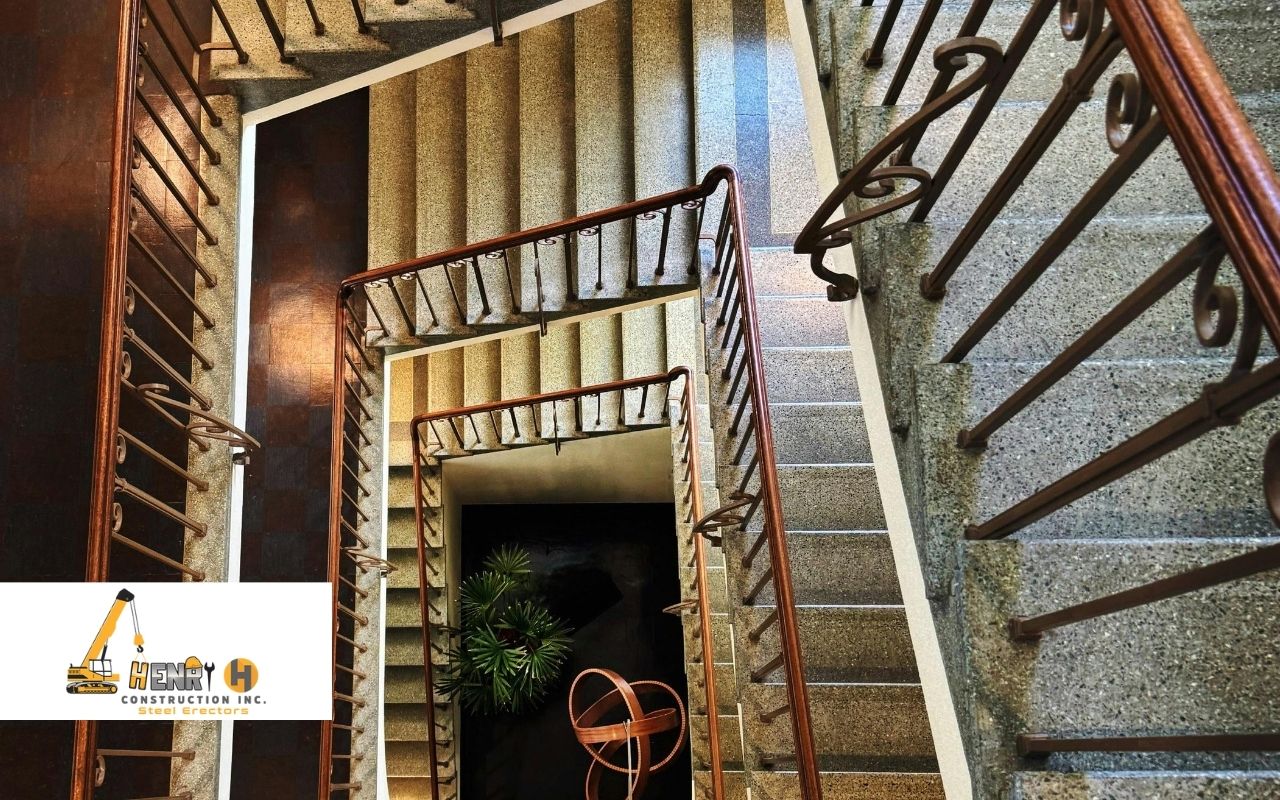
In commercial construction, every detail matters, and understanding miscellaneous metals in commercial builds can make a crucial difference. These often-overlooked elements ensure safety, durability, and aesthetics. Stairs, rails, lintels, and embeds may seem minor, yet they play key roles in structural performance. In places like Indianapolis, where safety codes are strict, these features must meet rigorous standards. Therefore, each piece contributes not only to functionality but also to the long-term integrity of the entire building.
Every railing, stair, or guard adds value to a project’s design and reliability. Whether hidden in walls or visible on façades, their presence ensures stability and compliance. By appreciating how miscellaneous metals in commercial builds integrate with architectural systems, builders and designers can elevate safety and craftsmanship.
The Role of Miscellaneous Metals in Commercial Construction
The significance of miscellaneous metals in commercial builds lies in their function as connectors between primary structure and finished spaces. These metals support stairs, rails, embeds, and OSHA guards—vital for load transfer and occupant protection. Although secondary, they contribute to the structure’s strength and visual appeal.
- Stairs and rails improve mobility and ensure safety for all occupants.
- Embeds and lintels distribute loads and reinforce openings.
- Guards meet OSHA standards and prevent workplace accidents.
By integrating these elements early, teams streamline installation and avoid costly rework. Proper planning ensures that miscellaneous metals in commercial builds meet engineering and design expectations seamlessly.
Safety Regulations and Standards for Miscellaneous Metals
Safety and compliance define success in commercial projects. OSHA and local building codes specify rules for stairs, rails, and guards to protect users. Meeting these regulations guarantees a secure environment. The International Building Code (IBC) and NFPA also influence standards for metal components.
Routine load testing and material verification maintain reliability. Ensuring compliance with these regulations enhances trust, longevity, and the performance of miscellaneous metals in commercial builds across various project types.
Types of Miscellaneous Metals Used in Commercial Builds
Commercial buildings rely on a variety of metals suited for specific applications. Each material type offers unique benefits, depending on its placement and environmental exposure.
- Carbon steel: Cost-effective and durable for embeds and lintels.
- Stainless steel: Resistant to corrosion in humid or exterior spaces.
- Aluminum: Lightweight and ideal for decorative or non-structural uses.
By matching the right material to the function, builders extend the lifespan of miscellaneous metals in commercial builds and enhance overall project performance.
Importance of Structural Integrity in Miscellaneous Metals
Even small metal elements contribute greatly to a building’s strength. Proper fabrication ensures safety and reliability. Lintels distribute loads evenly, while embeds anchor heavy structures securely. Routine inspection, precise welding, and dimensional checks are essential.
Non-destructive testing verifies internal quality, and redundant guard systems add security. Strong attention to detail guarantees that miscellaneous metals in commercial builds uphold the project’s structural integrity.
Aesthetic Appeal and Design Considerations of Miscellaneous Metals
These components also influence the look of a space. Architects use metals to enhance both style and performance. Sleek railings, perforated panels, and decorative screens combine safety with modern design. Finishes such as brushed stainless steel or custom coatings complement surrounding materials.
Designers balance form and function by aligning these choices with architectural intent. Every metal detail contributes to a cohesive aesthetic, highlighting how miscellaneous metals in commercial builds elevate design sophistication.
Customization Options for Miscellaneous Metals in Commercial Projects
Customization enables precision and creativity. Modern technology like CNC cutting and robotic welding allows intricate patterns and accurate fittings. Coatings and finishes can be tailored for performance and appearance. Whether crafting custom stairs or specialized guardrails, teams can design to exact specifications.
Through collaboration between architects and fabricators, each component enhances the project narrative. Such flexibility ensures miscellaneous metals in commercial builds meet both practical and artistic goals.
Cost Considerations and Budgeting for Miscellaneous Metals
Smart budgeting starts with early planning. Material choice, fabrication complexity, and finishing processes all affect cost. Using modular assemblies and standardized parts can reduce expenses while maintaining quality.
- Choose durable materials to minimize long-term maintenance.
- Order in bulk for consistent components like stairs and guards.
- Collaborate closely with fabricators for accurate estimates.
Balanced budgeting ensures that investments in miscellaneous metals in commercial builds result in both cost-efficiency and superior performance.
Sustainable Practices in the Use of Miscellaneous Metals in Construction
Sustainability plays a growing role in construction. Many metals contain recycled content, reducing environmental impact. Fabricators now use energy-efficient equipment and water-based systems. Recyclable materials like steel and aluminum promote circular use. At the project’s end, leftover metals are reclaimed and reused.
These sustainable choices enhance eco-certifications and demonstrate environmental responsibility. Integrating sustainable miscellaneous metals in commercial builds contributes to long-term ecological benefits and operational savings.
Case Studies: Successful Implementation of Miscellaneous Metals in Commercial Builds
In Indianapolis, several projects showcase these principles in action. A downtown office building used weathering steel lintels and stainless rails for an elegant contrast. Another retail complex incorporated prefabricated embeds, cutting installation time significantly. These case studies illustrate how innovation and planning with miscellaneous metals in commercial builds can achieve both beauty and efficiency.
Frequently Asked Questions
What are miscellaneous metals in commercial construction?
They include stairs, rails, embeds, lintels, and guards that ensure safety, structure, and design consistency in commercial builds.
Why are miscellaneous metals important in commercial projects?
They support critical functions, enhance aesthetics, and ensure compliance with codes and standards throughout the building.
How do miscellaneous metals enhance building safety?
By meeting OSHA standards, they prevent falls, support heavy loads, and maintain stable pathways for safe access.
Can miscellaneous metals be customized?
Yes, modern technology allows complete customization for shape, finish, and fit to match any architectural vision.
Where can I find professionals for metal fabrication?
Visit our services page to learn more or contact the experts directly through our contact page for tailored guidance.
Embracing the Significance of Miscellaneous Metals in Commercial Construction
Every project depends on details, and miscellaneous metals in commercial builds deliver those essential details. From safety and structure to design and sustainability, they bring together beauty and strength. By choosing the right materials, meeting standards, and applying sustainable practices, teams can ensure reliable results. Embrace the potential of these metals to elevate your next commercial project.
Ready to enhance your project’s performance and design? Explore our services or reach out through our contact page to start building smarter today.