
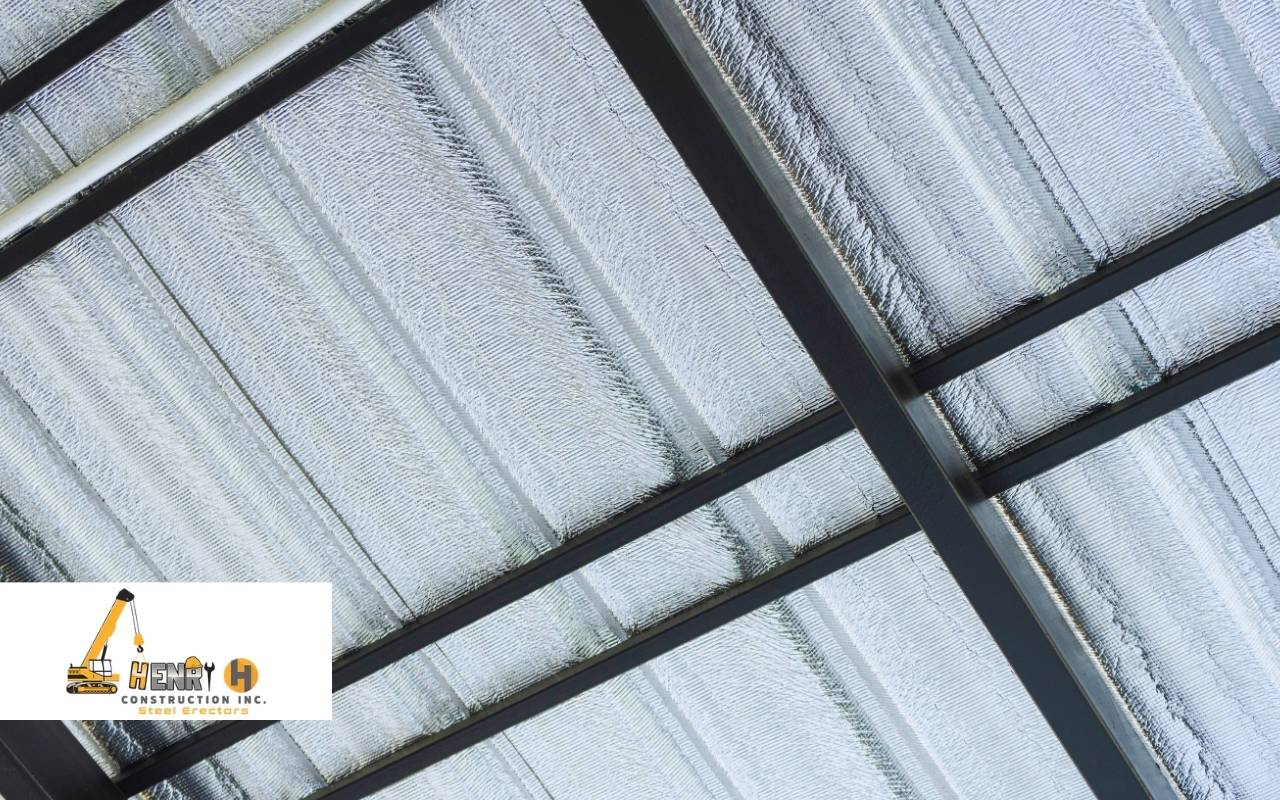
Revolutionize energy efficiency with Metal Building Insulation Options. New builds and retrofits both benefit. Understand each choice to save energy and improve comfort. From vapor barriers to R-values, the right mix matters. In Carmel IN, weather varies widely. Matching materials to climate is vital. Condensation control and liner systems extend service life. Reduce mold, rust, and damage. This guide explains key factors for smart, durable decisions.
Understanding Metal Building Insulation
Insulation slows heat flow between indoors and outdoors. Metal buildings gain heat quickly in summer. They also lose heat fast in winter. Common materials include fiberglass batts, foam boards, spray foam, and reflective foil. Each material offers different thickness and performance. Review properties carefully before selecting.
Comfort and long-term savings
Higher R-values resist heat flow better. Consistent temperatures improve comfort and productivity. Installation quality is crucial. Gaps, compression, or poor seals reduce efficiency. Seal doors, windows, and seams tight. Match choices to building use and Carmel IN climate. This ensures Metal Building Insulation Options deliver predictable results.
Importance of Vapor Barriers
Proper vapor barriers control moisture movement. Warm, moist air can hit cool metal and condense. Water then soaks insulation and lowers performance. Mold may grow. Choose foil-faced or polyethylene sheet products. They block vapor while allowing controlled drying.
Integrity and detailing
Any puncture becomes a moisture path. Tape seams with compatible products. Fit barriers carefully around fixtures. In Carmel IN, humidity swings are common. Combine barriers with ventilation for dependable condensation control.
Exploring Different R-Values for Thermal Resistance
R-values measure resistance to heat flow. Bigger numbers mean better thermal performance. Codes, climate, and building use drive targets. Walls near Carmel IN often need R-19 to R-30. Roofs may require R-30 to R-49.
Material trade-offs
Space and budget affect selection. Spray foam provides about R-6.5 per inch. Fiberglass batts provide about R-3.2 per inch. Thicker insulation needs wider cavities or special framing. Align R-values with design goals and cost.
Condensation Control Strategies
Condensation forms when humid air meets cool surfaces. Water droplets then appear on panels or purlins. Moisture damages insulation and invites mold. Seal air leaks. Maintain steady indoor temperatures. Add vents for airflow.
- Use ridge and eave vents for passive airflow.
- Deploy powered exhaust fans when loads spike.
- Run dehumidifiers to lower indoor humidity.
- Pair barriers and insulation for robust protection.
These steps help Metal Building Insulation Options perform reliably through seasons.
Liner Systems for Enhanced Insulation
Liner systems add protection and a finished look. Panels, often metal or vinyl, attach under insulation. They create an airspace that reduces heat transfer. The barrier supports vapor control and durability.
- Measure panels accurately to prevent gaps.
- Fasten securely for long-term alignment.
- Select styles and colors to match interiors.
Liner systems also shield insulation from impact and condensation. That preserves performance and appearance.
Impact of Climate Conditions on Insulation Choices
Carmel IN summers are hot and humid. Winters are cold. Choose versatile systems that excel in both seasons. Higher R-values curb heat gain and loss. Reflective foil can deflect radiant heat during peak sun.
Moisture durability
Closed-cell spray foam tolerates incidental moisture. Combine with vapor barriers for resilience. Tailor liner systems to anticipated humidity. This approach strengthens energy performance year-round.
Preventing Mold and Rust with Proper Insulation
Moisture inside assemblies encourages mold and rust. Select materials that limit water absorption. Closed-cell foam and rigid boards help keep surfaces dry. Barriers and airflow reduce condensation risk. Regular inspections find tears or damage early.
Extending the Lifespan of Your Structure
Stable temperatures reduce thermal stress on metal. Panels expand and contract less. That lowers leaks and warping risk. Dry interiors protect connections and finishes. Fewer repairs and lower maintenance follow.
Making Informed Decisions for Energy Savings
Weigh upfront costs against long-term benefits. Higher R-values often save more over time. Consider Carmel IN climate, building use, and budget. Review warranties and installation guides. Seek professional advice for site conditions.
- Prioritize thermal resistance and vapor control together.
- Validate details against current codes.
- Schedule periodic performance checks.
For turnkey help, explore Construction Services. Need steel expertise? See Structural Steel Company Carmel IN and Steel Erection Company Carmel IN.
Frequently Asked Questions
What are the best vapor barriers for metal buildings?
Foil-faced and polyethylene barriers are common. Choose products compatible with your insulation and tape system.
How do I pick the right R-value?
Match targets to local codes, climate, and use. Roofs usually need higher R-values than walls in Carmel IN.
Can liner systems improve appearance and performance?
Yes. Liner panels finish interiors and protect insulation. They also assist vapor control and durability.
How do I control condensation in winter?
Seal air leaks, add ventilation, and maintain steady temperatures. Use dehumidifiers when indoor loads rise.
When should I consult a professional?
Bring in experts for code compliance, detailing, and complex retrofits. Local experience in Carmel IN helps.
Optimizing Energy Efficiency with the Right Metal Building Insulation
Choose systems that balance R-values, vapor barriers, condensation control, and liner systems. Metal Building Insulation Options support comfort and longevity. In Carmel IN, moisture-ready materials aid year-round performance. Plan details carefully and verify installation. Reach out through Contact Us for tailored guidance. With Metal Building Insulation Options, long-term savings and resilience are achievable. Metal Building Insulation Options protect assets and stabilize costs.