
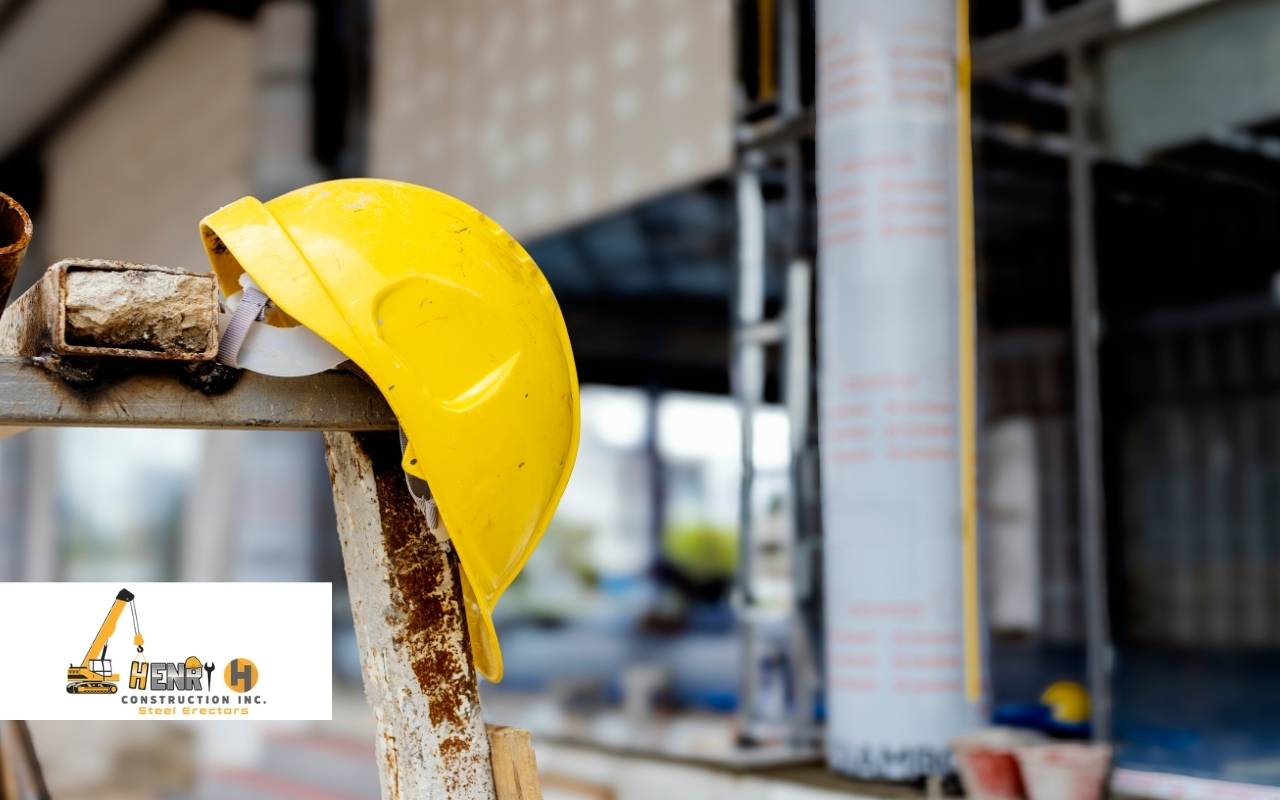
Steel erection is a high-risk activity in the construction industry, where safety is essential. Workers face hazards like falls and heavy material handling. Creating a comprehensive jobsite safety plan for steel erection reduces risks and protects everyone involved. Implementing such a plan is not only about compliance but also about building a culture of safety that supports workers and boosts productivity. This article highlights critical components such as the fall protection hierarchy, detailed lift plans, OSHA 1926 Subpart R standards, and toolbox talks.
Understanding the Importance of Safety in Steel Erection
Steel erection requires precise coordination and crews working at heights. Without a solid jobsite safety plan for steel erection, projects risk accidents such as dropped loads and falls. A structured plan helps identify hazards, assess potential incidents, and implement effective controls. From crane positioning to scaffold inspections, each detail must be mapped. A proactive plan also strengthens trust and morale, motivating employees to follow safety protocols. Reduced incidents save time and costs, improving project efficiency and reputation.
Comprehending the Fall Protection Hierarchy
- Elimination: redesigning tasks to remove exposure to edges.
- Engineering controls: guardrails, safety nets, and stable platforms.
- Administrative controls: restricted zones and rotation schedules.
- Personal protective equipment: harnesses, lanyards, and anchor systems.
Applying this hierarchy during planning ensures preventive thinking and lowers the chance of injuries. It also aligns with regulations and encourages consistent safety practices across all tasks.
Developing a Detailed Lift Plan for Steel Erection
- Define load weight, center of gravity, and dimensions.
- Coordinate crane capacity charts and rigging specifications.
- Assign roles like crane operator, signal person, and rigging crew.
- Plan paths of travel and landing zones.
- Establish communication and emergency procedures.
Lift plans must also account for ground pressure, nearby utilities, and weather. By integrating these factors, projects safeguard workers and ensure a smooth erection sequence.
Ensuring Compliance with OSHA Subpart R Standards
OSHA 1926 Subpart R governs fall protection, anchorage, and load handling in steel erection. Teams must understand the standards, apply them correctly, and maintain thorough documentation. Inspection logs, rigging certifications, and training records should be accessible. Audits and refresher training help identify and fix gaps. Aligning the jobsite safety plan for steel erection with OSHA regulations reduces risks and demonstrates a commitment to safe operations.
Conducting Effective Toolbox Talks for Safety Awareness
Toolbox talks are short safety discussions that highlight site-specific hazards. They are best held at shift start. Topics should rotate, remain relevant, and invite worker participation. Documenting attendance and discussion points builds a safety record. Effective talks connect training with daily operations, reinforcing a proactive culture.
Implementing Safety Training Programs for Steel Erection
Training ensures workers understand risks and protective measures. Initial sessions should cover hazard recognition, fall protection, and emergency steps. Advanced modules may include rigging or rescue techniques. Blended formats—online, hands-on, and classroom—accommodate different learning styles. Ongoing refreshers and mentoring strengthen knowledge and skills, keeping the jobsite safety plan for steel erection relevant and effective.
Utilizing Personal Protective Equipment (PPE) Correctly
PPE provides protection when other controls cannot eliminate hazards. Workers use helmets, gloves, boots, glasses, and harnesses based on tasks. Regular inspections prevent failures, while training ensures proper use. Supervisors should enforce PPE compliance through checks and reinforcement.
Creating Emergency Response Protocols for Steel Erection Sites
Preparedness saves lives during emergencies. Protocols must define roles, resources, and communication methods. Drills test the plan, ensuring smooth responses. Coordination with local services ensures external support is effective. Lessons from drills or incidents should update the jobsite safety plan for steel erection, improving future readiness.
Monitoring and Evaluating Safety Performance
- Leading indicators: toolbox talk participation, PPE compliance, and safety observations.
- Lagging indicators: incident rates, near-miss reports, and OSHA cases.
- Dashboards or scorecards: visualize performance trends.
Committees review findings and encourage improvements. Recognizing safe behavior builds motivation. Continuous feedback keeps the safety plan updated and responsive to challenges.
FAQs
What is a jobsite safety plan for steel erection?
It is a structured document outlining safety practices, hazard controls, and compliance measures to protect workers during steel erection.
How often should toolbox talks be conducted?
Toolbox talks should be conducted at the start of every shift, focusing on relevant hazards and protocols.
Why is OSHA Subpart R important for steel erection?
OSHA Subpart R sets mandatory safety standards, helping prevent accidents by addressing fall protection, stability, and load handling.
How can training programs improve safety?
Training programs provide workers with essential skills, strengthen hazard awareness, and ensure safe task execution on site.
What role does PPE play in steel erection?
PPE serves as the final defense against hazards when engineering and administrative controls cannot fully eliminate risks.
Building a Culture of Safety in Steel Erection
A comprehensive jobsite safety plan for steel erection integrates fall protection, lift planning, and OSHA compliance. Toolbox talks, training, PPE, and emergency protocols enhance a culture of safety. Ongoing evaluation ensures adaptation to new challenges. For expert support, explore our services or learn more about our steel erection company. Ready to prioritize safety? Contact us today to discuss your next project.