
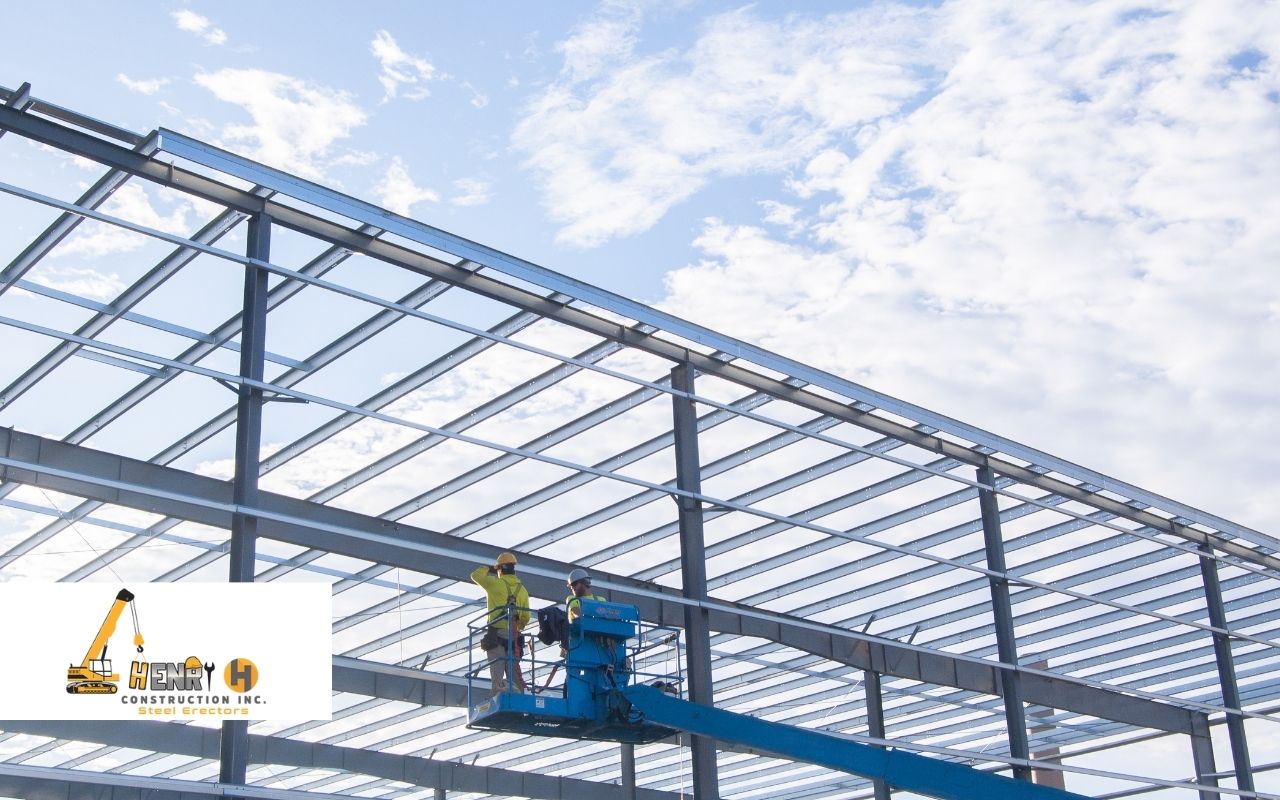
Navigating the intricate world of construction regulations can feel like piecing together a complex jigsaw puzzle. For steel erection professionals in Indiana, understanding the Indiana steel erection codes is crucial for safety, compliance, and efficiency.
With constantly evolving standards, staying updated is not optional—it’s a professional responsibility that directly affects project success and worker safety.
Imagine starting a multimillion-dollar project and facing delays or fines due to overlooked regulations. Such scenarios highlight why mastering these codes is essential.
In this post, we provide essential insights and updates, equipping you to navigate Indiana steel erection codes confidently.
Whether you are a veteran or new to the industry, understanding these codes ensures your projects are compliant and structurally sound.
Understanding the Importance of Indiana Steel Erection Codes
The backbone of safe and efficient steel structures lies in following the Indiana steel erection codes. These regulations define minimum requirements for design, fabrication, and erection.
Aligning workflows with these regulations reduces risks of structural failure, accidents, and costly rework. Compliance also enhances client trust and smooths inspections.
Indiana steel erection regulations cover allowable loads, connection types, worker training, and protective measures. Recognizing their importance is key to planning.
Adhering to the codes allows teams to estimate budgets, schedule inspections, and coordinate effectively with fabricators and erectors. Mastery shows professional diligence.
Overview of Key Indiana Steel Erection Regulations
- Stability Requirements: Ensure stability during erection by following design specifications for wind, seismic activity, and construction-stage forces.
- Fall Protection Standards: Use harnesses, guardrails, safety nets, and other measures to prevent worker falls.
- Equipment Inspections: Regularly check cranes, hoists, rigging gear, and other machinery to maintain a safe environment.
- Training and Certification: Rigging crews and erectors must hold valid certifications demonstrating competency in steel erection processes.
- Submission of Safety Plans: Submit detailed safety plans and erection sequences to authorities before starting work.
Recent Updates and Changes in Indiana Steel Erection Codes
Indiana’s regulatory bodies revise steel erection requirements periodically to reflect industry changes and technology. The latest updates emphasize electronic submission of plans and safety audits.
New rules also focus on pre-assembly sequences, requiring detailed plans that account for wind loads on partially erected frames. This ensures safety during transitional stages.
Common Mistakes to Avoid in Implementing Indiana Steel Erection Regulations
Even experienced contractors can make mistakes. A common error is underestimating the time for regulatory approvals, causing schedule compressions and safety compromises.
Another mistake is poor documentation of change orders. If field adjustments aren’t recorded, compliance gaps can emerge, risking liability.
Miscommunication between engineers and crews can result in incorrect bolts, welds, or bracing. Digital platforms help reduce these errors by keeping updates real-time.
Best Practices for Compliance with Indiana Steel Erection Codes
Proactive planning is essential. Review all applicable regulations with engineering and safety teams before starting projects.
Create detailed erection sequences that follow code requirements. Using BIM tools improves coordination and reduces misinterpretation of structural details.
Regular training keeps erectors updated on Steel Erection Regulations in Indiana. Implement audits, inspections, and documented safety meetings.
Encourage open communication between field staff and managers to address deviations immediately, maintaining compliance and project momentum.
Impact of Non-Compliance with Indiana Steel Erection Regulations
- Increased Safety Risks: Non-compliance raises the chance of accidents, injuries, or fatalities on-site.
- Operational Disruptions: Safety incidents can halt operations, delay completion, and affect productivity.
- Reputational Damage: Violations can harm a company’s credibility and client trust.
- Financial Penalties: Fines and increased insurance costs may result from non-compliance.
- Legal Liabilities: Lawsuits for breach of contract or negligence can arise if codes aren’t followed.
FAQs
What are Indiana steel erection codes?
They are regulations that govern design, fabrication, erection, and worker safety for steel structures in Indiana.
Who enforces these regulations?
State authorities and local building departments enforce Indiana steel erection codes to ensure compliance and safety.
How often are these codes updated?
Updates occur periodically to reflect changes in technology, construction practices, and safety standards.
Why is compliance important?
Compliance reduces risks, ensures legal adherence, and protects workers while maintaining operational efficiency.
Where can I get proper training?
Training is available through certified programs, including steel erection safety courses and workshops.
Resources for Staying Up to Date with Indiana Steel Erection Codes
Continuous learning is key. The Indiana Department of Homeland Security publishes amendments and guidance documents online.
Subscribe to AISC newsletters and OSHA updates for national standard changes. Join associations like the Indiana Chapter of AGC or AWS for workshops and seminars.
Networking and knowledge exchange at these events help firms stay current with best practices and innovations.
Mastering Indiana Steel Erection Codes for Success
Mastering these codes is not just regulatory; it ensures safer, more reliable, and efficient projects. Integrate planning, training, and compliance strategies.
Stay informed and adaptable. By following quality control practices and training guidelines, contractors can deliver high-quality structures.
For expert guidance or to discuss compliance strategies, contact us at Henry H Construction.