
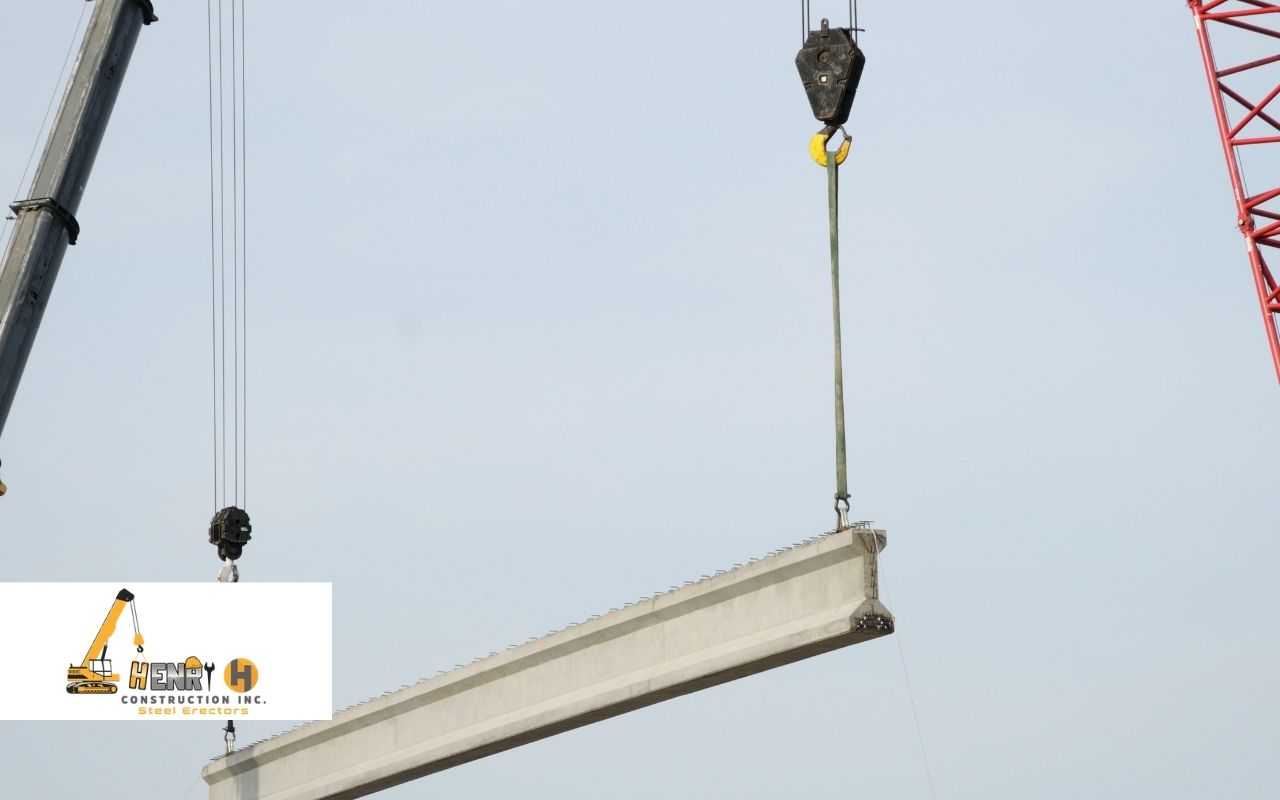
Navigating the complexities of crane lift planning for steel jobs is no small feat for project owners. In Noblesville, where construction projects are booming, understanding lift radius, rigging plans, and swing zones is crucial. Without meticulous planning, a simple task can become an operational challenge. Accurate planning ensures safety, streamlines workflow, and prevents delays, keeping the project on schedule. Owners must master executing critical picks, which often determine a project’s success. Steel jobs demand precision and foresight. Imagine overlooking a swing zone, causing an unexpected collision and costly delay. That’s why comprehensive planning processes are essential. From managing the lift radius to coordinating rigging plans, every detail matters. This article will explore what project owners should expect, offering insights to manage a successful steel job from start to finish. With proper planning, even complex lifts become manageable, ensuring smooth project execution.
Understanding the Importance of Crane Lift Planning
Effective crane lift planning for steel jobs is the foundation of every successful construction project. It includes selecting the correct crane, analyzing site limitations, and assessing environmental factors. Early planning helps project owners in Noblesville predict potential risks related to weight, height, and reach. With clear preparation, teams can avoid last-minute issues that cause downtime or budget overruns.
At the center of this preparation are critical picks—the heaviest and most complex lifts. By identifying them early, contractors can adapt rigging plans for each load’s geometry and weight. Integrating lift radius calculations during early stages ensures cranes operate safely. This approach minimizes overloading risks and avoids reconfiguration delays, maintaining workflow and protecting workers and machinery.
Key Components of a Successful Rigging Plan
A strong rigging plan is vital for precise, safe lifts. It begins with detailed material data, including weights and dimensions. This information supports the correct selection of slings, shackles, and spreader bars. Including rigging plans in crane lift planning for steel jobs eliminates uncertainties and aligns the entire crew.
- Hold pre-lift meetings to review communication signals and safety procedures.
- Highlight critical picks that need additional oversight and backup equipment.
- Maintain a gear inspection schedule that meets all regulations.
Consistent communication keeps everyone coordinated. Documented procedures and inspections enhance compliance and ensure smooth transitions between lifts.
Calculating and Managing Lift Radius
Lift radius affects how far the load moves from the crane’s centerline and influences capacity. Accurate calculation is a cornerstone of crane lift planning for steel jobs. A wider radius reduces crane capacity, possibly requiring repositioning or a larger crane.
- Use digital tools to map boom angles and radii for each lift.
- Keep the lift radius within safe limits to prevent stress on the crane.
- Monitor radius during lifts using sensors for real-time data.
Continuous monitoring ensures operations remain within safety margins, preventing costly delays and minimizing equipment risk.
Identifying and Mitigating Swing Zones
Swing zones represent areas where a suspended load can move unexpectedly. Recognizing and controlling them is crucial. During planning, mapping out swing zones allows project owners to set exclusion zones and barriers for safety.
Mitigation tactics include tag lines, remote controls, and clear communication between riggers and operators. By integrating swing zone data into rigging plans, teams reduce accident risks and ensure lifts proceed safely.
Safety Measures and Regulations for Steel Jobs
Adhering to safety rules is vital in crane lift planning for steel jobs. Federal standards like OSHA define requirements for operators, riggers, and supervisors. Compliance involves routine inspections, operator certifications, and documented safety briefings before major lifts.
Company-specific safety policies further protect workers. PPE, fall protection, and lockout systems form essential defenses. Training on emergency response ensures teams can react quickly to prevent injuries and damage.
Collaborating with Crane Operators and Rigging Crew
Successful crane lift planning depends on teamwork between project owners, crane operators, and rigging crews. Owners should hold regular meetings to review lift sequences and potential challenges. When everyone understands their responsibilities, communication improves across the site.
Operators share practical crane knowledge, while riggers provide load-handling expertise. Involving both in planning builds trust and efficiency. Real-time feedback during lifts enables quick adjustments and flawless execution.
To begin planning your next steel job effectively, consider exploring our services to find tailored construction solutions that ensure your project’s success.
Utilizing Technology in Crane Lift Planning
Modern technology transforms crane lift planning for steel jobs. Advanced software provides 3D models, load simulations, and risk assessments that streamline preparation. Virtual reality tools visualize swing zones and lift radii before crews arrive on-site.
- Drones capture aerial data to detect obstacles and improve crane placement.
- Monitoring systems send live load information to managers for smart decisions.
- Digital documentation enhances compliance and tracking during lifts.
By adopting these innovations, owners minimize errors and enhance project safety and precision.
Conducting Pre-Lift Inspections and Checks
Pre-lift inspections are crucial to crane safety. Checklists covering equipment, rigging gear, and site conditions ensure reliability. These checks should occur before every shift and be well-documented.
Verify fluid levels, inspect ropes, and confirm charts match the planned lift radius. Cross-check rigging plans to confirm sling capacities. Resolving any inconsistencies before the lift keeps operations safe and efficient.
Managing Contingencies and Emergency Protocols
Even thorough crane lift planning for steel jobs can’t prevent every issue. Preparing contingency plans is essential. Weather changes, mechanical problems, or site obstructions require quick responses.
Regular emergency drills, including scenarios like swing zone breaches or power failures, train teams for fast action. Assigning clear roles ensures a coordinated and effective response, keeping personnel and assets safe.
Frequently Asked Questions (FAQs)
What is the role of crane lift planning in steel construction?
It ensures every lift is safe, efficient, and compliant with regulations while minimizing operational risks and downtime.
How do I choose the right crane for my project?
Select a crane based on load weight, lift radius, and site conditions, aligning with your project’s overall rigging plan.
Why are swing zones important in planning?
They define the movement range of loads, preventing collisions and ensuring worker safety throughout each lift.
How often should rigging gear be inspected?
Before each lift and at the start of every shift, ensuring all equipment meets operational and safety standards.
When should I consult professionals for lift planning?
Involving experts early guarantees accurate planning and prevents delays. For guidance, contact our team today.
Ensuring a Smooth Execution of Steel Jobs
Comprehensive crane lift planning for steel jobs enables project owners to predict challenges and streamline workflow. From assessing the site to monitoring swing zones and lift radius, every step supports success.
By leveraging technology, enforcing safety, and collaborating with skilled teams, Noblesville owners can manage even complex lifts effectively. Embracing proactive planning ensures projects stay on schedule, within budget, and free from incidents.