AISC standards for commercial construction give project teams a clear way to manage structural steel work. They guide design, fabrication, erection, inspection, and documentation so each step supports safety, quality, and better coordination.
At Henry H Construction Inc, we use clear steel processes to help commercial projects move with fewer surprises. They also help general contractors, engineers, and steel teams understand expectations before work begins.
Core AISC Standards That Shape Commercial Steel Projects
AISC standards for commercial construction create a shared framework for structural steel. They cover member strength, connection details, material handling, shop work, field erection, inspection, and records. Shared expectations reduce confusion and prevent avoidable errors.
These guidelines also support better planning from the first drawing through final installation. For a closer look at how our team approaches steel work, visit our commercial construction services page.
Why AISC Certification Matters Across Modern Construction Projects
Understanding what is AISC certification and why it matters can help owners and general contractors choose stronger partners. Certification shows that a company follows documented quality systems and is reviewed against AISC requirements.
- Quality procedures are written and followed consistently.
- Staff roles and responsibilities are clearly defined.
- Welding, inspection, and records follow set controls.
- Processes are reviewed through regular certification audits.
As a result, certified practices can lower project risk and support more consistent steel work. They also give project teams greater confidence in how fabrication and erection are managed.
Standard Practice Guidance Helps General Contractors Coordinate Better
The AISC code of standard practice overview for GCs explains how key parties should work together. It covers responsibilities, approvals, shop drawings, delivery, changes, and communication between owners, engineers, general contractors, fabricators, and erectors.
Clear information flow can prevent delays before steel reaches the site. When drawings, revisions, and approvals move on time, each team knows what comes next. This structure supports accountability and helps reduce rework during busy commercial schedules.
Fabrication Standards Keep Structural Steel Work More Consistent
AISC standards in structural steel fabrication and erection begin with careful shop work. Fabrication rules guide cutting, fitting, welding, assembly, tolerances, material checks, and documentation before steel members leave the facility.
- Steel pieces must match approved drawings and dimensions.
- Welds need proper procedures and qualified personnel.
- Material records should stay clear and traceable.
- Inspection results must be documented before delivery.
At Henry H Construction Inc, we value repeatable quality checks because small shop errors can create larger field problems. Our structural steel quality checklist explains important controls in simple terms.
Safe Steel Erection Depends on Controlled Field Processes
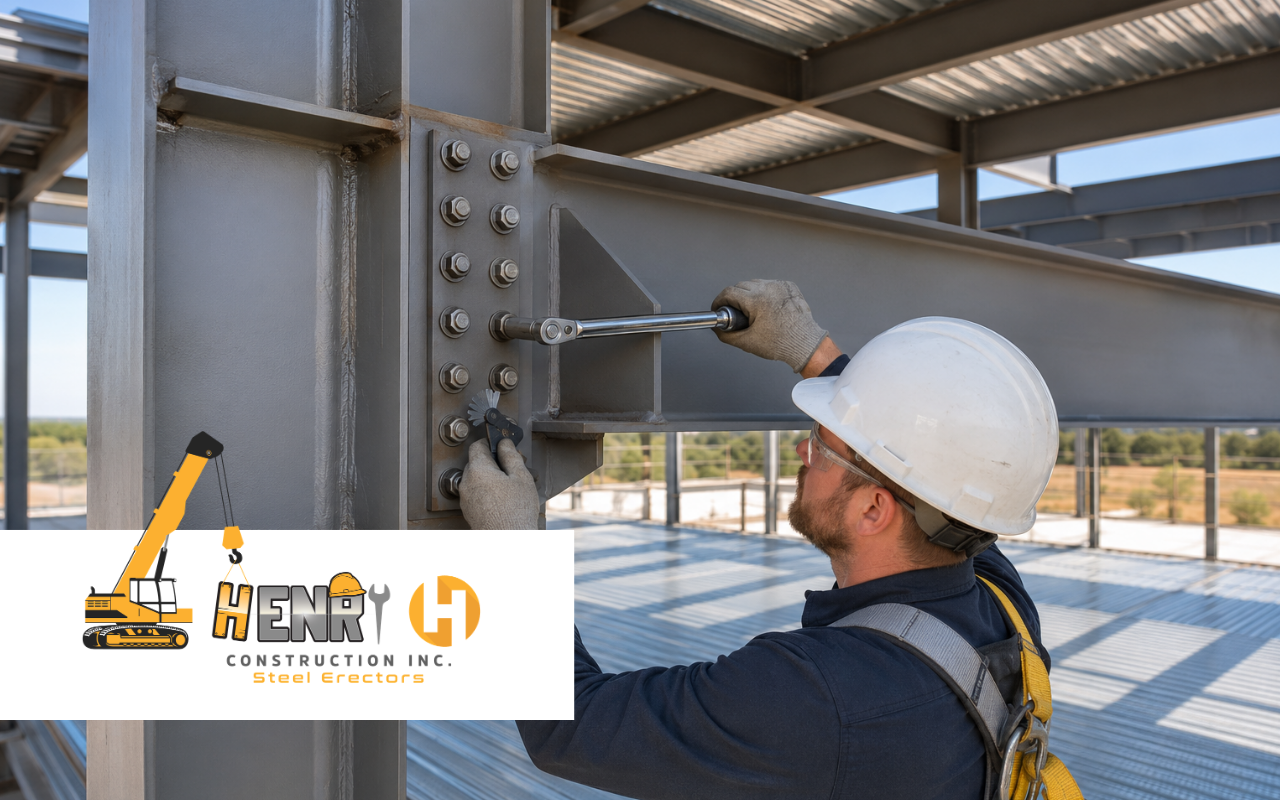
AISC standards for commercial construction also guide how structural steel is handled and installed on site. Erection work requires careful alignment, safe lifting, proper bolting, sound welding, and attention to frame stability at every stage.
Field checks help confirm that beams, columns, and connections match approved plans. Our team at Henry H Construction Inc follows organized quality steps during erection, and our steel erection quality control process shows how these checks support dependable results.
Quality Controls Support Safer More Reliable Steel Structures
Consistent quality controls connect design, shop work, and field installation. AISC standards for commercial construction help teams catch issues earlier, confirm materials, verify connections, and keep records that support final inspections.
- Design checks support correct loads and member sizes.
- Shop inspections catch defects before steel arrives onsite.
- Field reviews confirm alignment, bolts, and weld quality.
- Clear records help teams verify completed work.
Because these steps work together, owners receive a stronger level of confidence in the finished structure. Good documentation also makes communication easier when questions arise during construction.
Frequently Asked Questions
What does AISC certification show about contractors?
It shows that a company follows documented quality systems that meet AISC certification requirements. Certification can support better control over fabrication, inspection, training, and records.
Does AISC guidance apply only to fabricators?
No. AISC guidance also affects engineers, general contractors, erectors, inspectors, and owners because steel projects depend on clear roles, approvals, communication, and field coordination.
How does AISC standard practice help general contractors?
It gives general contractors a clear framework for responsibilities, drawings, changes, deliveries, approvals, and communication. This can reduce misunderstandings and keep steel work moving more smoothly.
Why are steel erection checks important onsite?
Erection checks confirm alignment, connection quality, and frame stability during installation. They help teams identify problems early and support safer, more reliable structural steel work.
Can local experience support AISC compliant work?
Yes. Local experience can improve planning for site access, schedules, permitting needs, weather, and coordination. It works best when combined with strong quality procedures and clear project communication.
Indianapolis Steel Projects Benefit From Proven AISC Practices
An AISC-compliant structural steel contractor in Indianapolis, IN should understand AISC standards for commercial construction and local project conditions. That combination helps teams plan deliveries, access, inspections, and erection around jobsite needs.
With Henry H Construction Inc, we bring practical coordination and quality-focused steel work to commercial projects. If you are planning structural steel work, visit our consultation page about your project to discuss the next steps with clear guidance.