
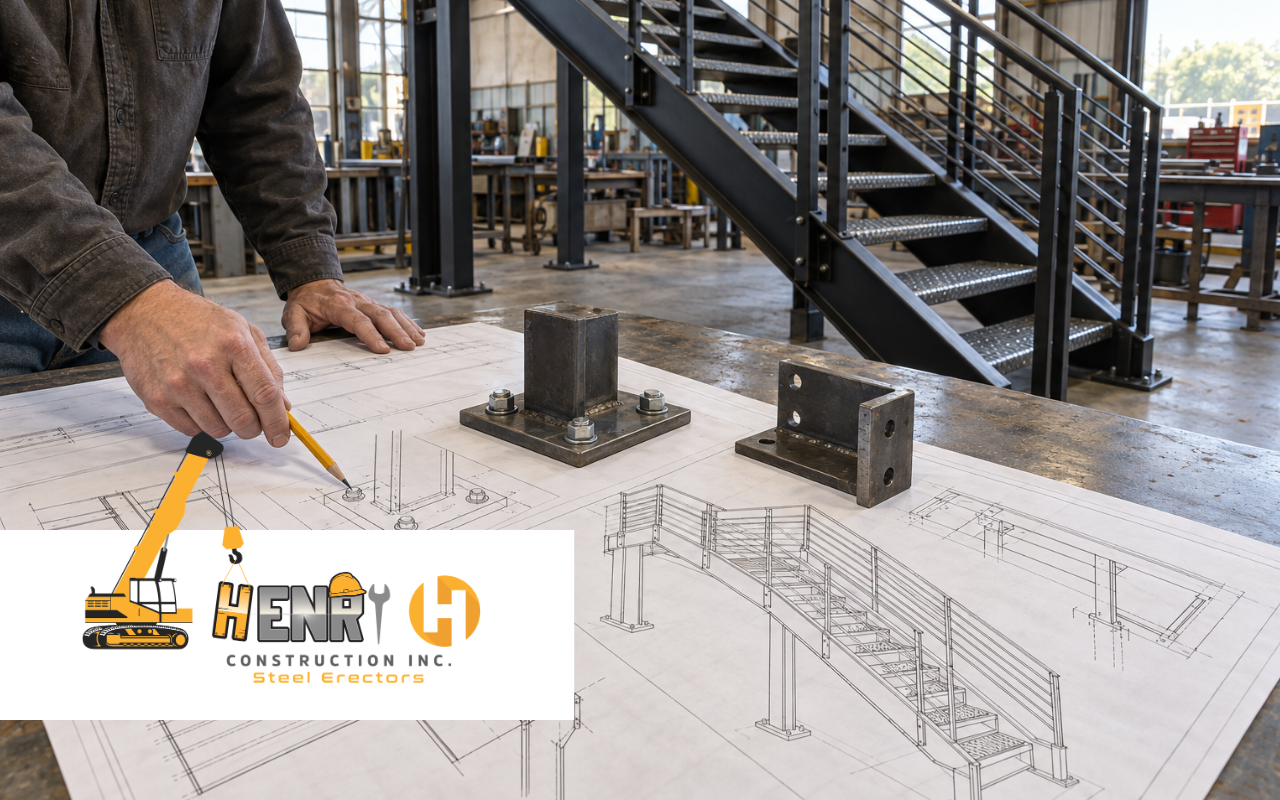
Miscellaneous metals coordination can feel complex because many small parts must fit around concrete, steel, walls, and finishes. However, early planning makes the work easier. Clear details for stairs, railings, ladders, supports, and trims help teams avoid delays, field changes, and installation problems. Better preparation also gives crews clearer direction before materials reach the site.
At Henry H Construction Inc, we focus on practical planning that keeps metalwork clear from drawing review through installation. By checking dimensions, connections, finishes, and timing, we can reduce confusion and support a safer, cleaner project from start to finish.
Early Coordination Prevents Costly Changes During Construction Work
Good miscellaneous metals coordination starts before fabrication. Teams should compare architectural, structural, and field information early. This helps reveal conflicts before materials are cut. It also supports better scheduling because every metal item can be planned around other trades.
- Confirm opening sizes and support locations.
- Review connection points before fabrication begins.
- Check finishes, coatings, and material needs.
For a broader look at these parts, our guide to miscellaneous metals in commercial construction explains where these items commonly appear.
Clear Shop Drawings Keep Fabrication Details Aligned Properly
Accurate miscellaneous metals shop drawing coordination gives fabricators and installers one clear source of information. Drawings should show sizes, welds, fasteners, supports, and connection details. When each item is easy to read, teams can identify conflicts before production begins.
We also compare approved drawings with site conditions whenever possible. This simple check can reduce rework, protect the schedule, and make installation more predictable.
Stairs And Railings Need Careful Field Coordination Daily
Stairs and railings coordination requires close attention because small errors can affect fit, access, and safety. Openings, landings, stringers, guardrails, and handrails must line up with surrounding construction. Field dimensions should match the approved details before fabrication moves forward.
- Verify stair opening dimensions.
- Confirm rail heights and mounting points.
- Check nearby walls, floors, and finishes.
Our commercial stair fabrication process shows how planning supports better fit and smoother installation.
Strong Communication Keeps Metalwork Teams Working Together Smoothly
Many coordination problems begin with outdated information. Regular updates between architects, engineers, fabricators, and installers help everyone work from the same plan. Marked drawings, written notes, and clear revision dates make changes easier to track.
At Henry H Construction Inc, we keep communication direct and practical. When a field condition changes, our team can review the effect on fabrication and installation before the issue grows into a larger delay.
Digital Tools Make Complex Metal Coordination More Visible
Digital models and shared drawing platforms can make miscellaneous metals coordination easier to review. Teams can compare metal parts with structural framing, walls, ceilings, and other building systems. This helps reveal clashes that may be difficult to see on separate drawings.
Technology is most useful when it supports simple decisions. Updated files, clear comments, and controlled revisions help teams respond faster without creating more paperwork. Shared access also helps office and field teams compare the same information, which reduces confusion when details change.
Quality Checks Reduce Rework Before Materials Reach Site
Quality control should happen during fabrication, not only after delivery. Dimensions, welds, finishes, and connection details should be checked against approved information. Early checks can catch errors while they are still easier to correct. For miscellaneous metals coordination, these reviews also help confirm that fabricated pieces match the latest approved project conditions.
- Review key dimensions before final assembly.
- Inspect visible welds and finish quality.
- Confirm labels for organized site delivery.
Our experience as a miscellaneous metalwork contractor in Indianapolis keeps these checks connected to real installation needs.
Frequently Asked Questions
When should metal coordination begin on projects?
It should begin as soon as reliable architectural and structural information is available. Early review gives teams more time to solve conflicts before fabrication starts.
Why are shop drawings important for metalwork?
They show how individual parts are built, connected, finished, and installed. Clear drawings help reduce mistakes and support consistent fabrication.
How does coordination support safer stair systems?
It helps confirm heights, openings, supports, and mounting points before installation. That makes stairs and rails easier to fit correctly on site.
Can digital models reduce field installation problems?
Yes. They can show possible clashes between metal components and nearby building elements before crews reach the installation stage.
What should teams check before metal fabrication starts?
They should confirm dimensions, connections, materials, finishes, field conditions, and approved revisions so fabrication follows current project information.
Better Planning Supports Cleaner And Faster Metal Installation
Strong miscellaneous metals coordination brings drawings, field conditions, fabrication, and installation into one clear process. When teams review details early and communicate changes quickly, they can reduce delays, limit rework, and keep metal assemblies moving with the project schedule.
At Henry H Construction Inc, we connect planning with practical field needs. For guardrail work, our commercial guardrail fabrication approach supports accurate fit and organized installation. To discuss your project, reach our team.