
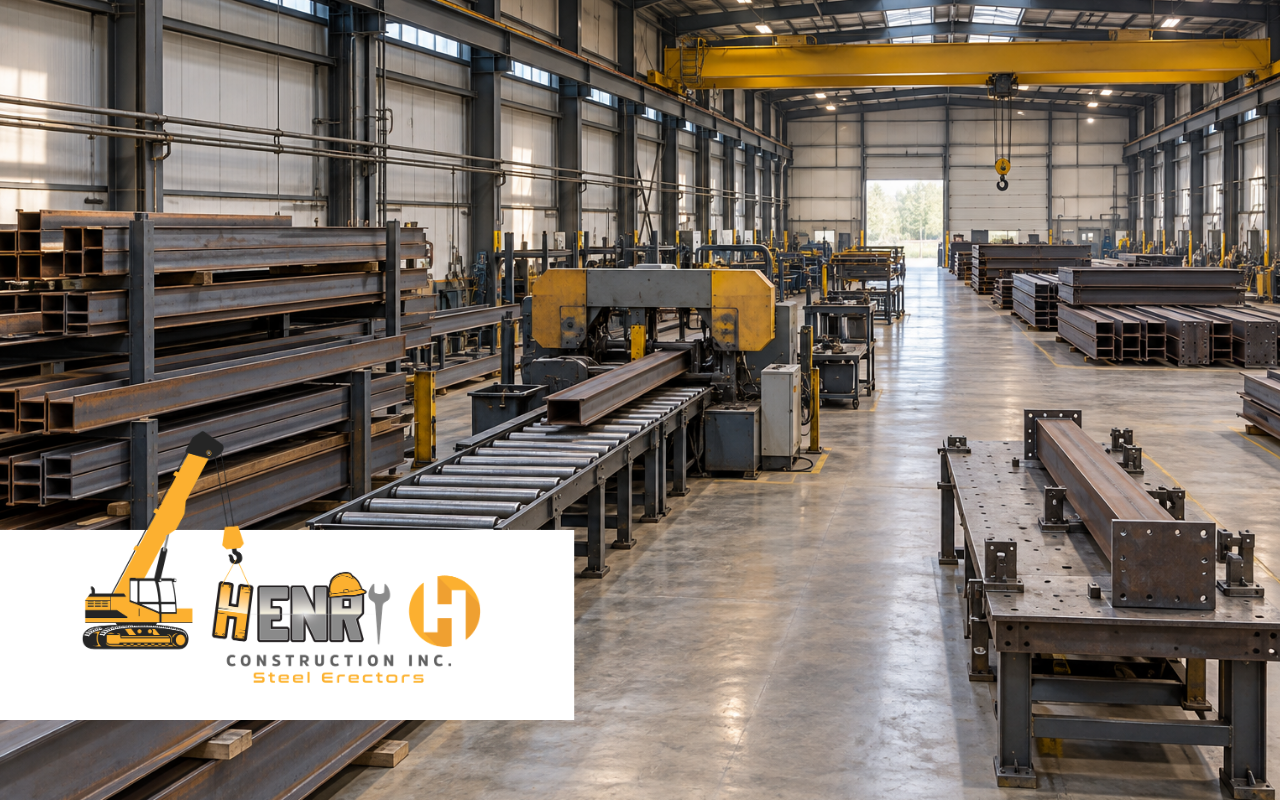
Steel fabrication capacity planning helps us balance labor, equipment, materials, and deadlines without creating avoidable delays. At Henry H Construction Inc, we focus on clear planning so each job moves through the shop with fewer surprises and better control.
When demand changes, a simple plan can prevent overtime, idle equipment, and missed delivery dates. By improving fabrication shop capacity planning, we can make steel production scheduling easier to manage while keeping quality, safety, and customer expectations in view.
Use Better Scheduling Tools for Daily Production Control
Digital scheduling tools give our team a clear view of current jobs, machine time, labor needs, and delivery dates. This makes steel fabrication capacity planning easier because we can spot conflicts early and adjust before one delay affects the full schedule.
We also connect planning with material availability and maintenance needs. This helps us avoid scheduling work before steel arrives or assigning a job to equipment that needs service.
- Review machine availability before assigning new work.
- Update job progress as each production stage finishes.
- Flag delays quickly so the next steps can change.
Build Accurate Forecasts From Real Production Demand
Past orders, seasonal changes, and upcoming projects help us estimate future workload. Better forecasts support fabrication shop capacity planning because we can prepare labor, materials, and machine time before demand increases.
For customers looking for steel fabrication services in Indianapolis, we also consider local construction activity and project timing. At Henry H Construction Inc, we review demand often so our plans stay useful instead of becoming outdated.
Streamline Shop Workflows to Reduce Production Delays
A well-organized shop helps materials move from cutting to welding, fitting, and finishing with less extra handling. This improves steel fabrication capacity planning because each step becomes easier to predict and easier to measure. Clear routing also gives us a more stable view of available shop time.
We also use clear work instructions and simple visual controls. These steps reduce confusion and help teams follow the same process from one job to the next.
- Arrange work areas in a logical production order.
- Keep tools and materials close to active work.
- Review repeated delays and remove their main causes.
Improve Team Communication Across Every Fabrication Stage
Clear communication keeps production changes from becoming larger problems. Short meetings help our team review priorities, delays, material needs, and staffing concerns before the shift moves too far ahead.
Fast updates also improve steel production scheduling when a job changes. Our team can use schedule compression planning when project timelines become tighter, and production needs to be adjusted carefully.
Strengthen Skills and Automation for Flexible Shop Capacity
Training gives employees more confidence with equipment, setup, safety, and basic maintenance. Cross-training also gives us more flexibility because skilled team members can support different stations when workloads shift.
Automation can improve repeat tasks such as cutting, welding, and material handling. However, skilled workers still remain important for custom work, quality checks, and changing project needs.
- Train operators on more than one production task.
- Use automation where repeat work creates clear value.
- Keep manual skills available for custom fabrication needs.
Track Performance Data to Guide Capacity Decisions
Useful shop data shows whether our plan is working. We track machine use, delivery performance, scrap, rework, and production time so we can find patterns and make better decisions. These measures also show where steel fabrication capacity planning needs attention.
This information supports steel fabrication capacity planning because it replaces guesswork with real production results. With Henry H Construction Inc, we also connect planning decisions with material release timing so shop capacity and project needs stay aligned.
Frequently Asked Questions
What does capacity planning include in fabrication shops?
It includes labor, machines, materials, deadlines, and expected workload. The goal is to match available resources with current and future production needs.
How often should production capacity plans be reviewed?
We review plans regularly and update them when schedules, staffing, equipment, or material availability changes.
Can better planning reduce fabrication project delays?
Yes. Better planning can reveal conflicts earlier, which gives the team more time to adjust labor, materials, or machine schedules.
How does material timing affect shop capacity?
Late materials can leave workers and machines idle. Our material procurement planning helps support steady production flow.
Why is steel production scheduling important?
It helps organize job orders, labor, equipment, and deadlines so work moves through the shop with fewer conflicts.
Create More Reliable Capacity Plans for Future Growth
Strong steel fabrication capacity planning depends on clear schedules, accurate forecasts, efficient workflows, trained employees, useful data, and fast communication. Together, these steps help us protect delivery dates while using labor and equipment more effectively.
At Henry H Construction Inc, we build steel fabrication capacity planning around real project needs instead of fixed assumptions. When new work is coming, our team can review capacity, material timing, and production priorities before assigning shop time. To discuss a project, contact us for clear next steps.