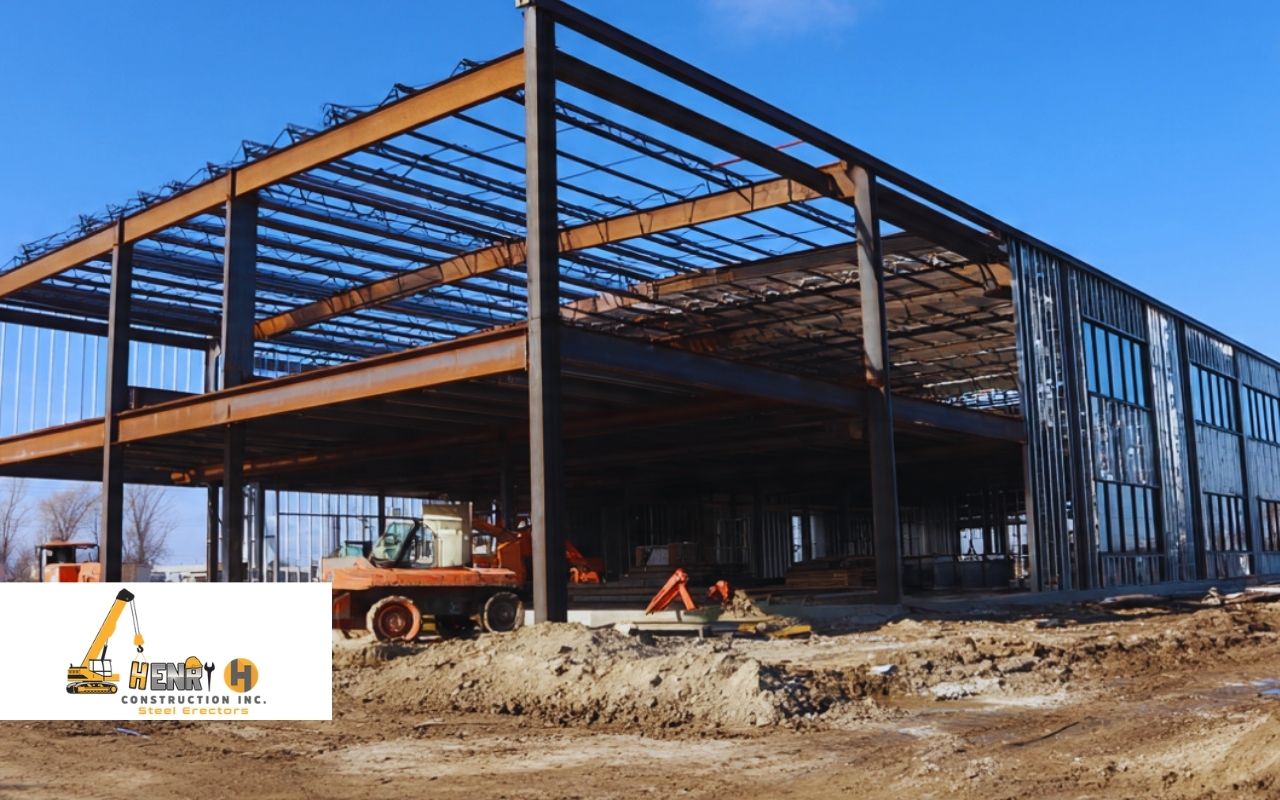
Plainfield Industrial Steel Erection GC Checklist planning gives field teams and partners a simple, clear baseline for every job. This guide keeps everyone aligned from day one, reducing delays and rework while lifting jobsite safety. Clear steps help the general contractor plan staging areas, control truck access, and guide a smooth safety orientation flow for all crews.
Plain words, short actions, and repeatable checks make the checklist useful for superintendents, foremen, and inspectors. Use it to connect drawings to daily tasks, match equipment with the site plan, and confirm the flow of materials from gate to final bolt-up. With the right checklist, crews move faster, risks fall, and turnover comes cleaner, giving owners and stakeholders confidence in the steel frame.
Scope and Drawings Alignment
Confirm the full scope by reviewing structural drawings, specifications, and addenda with the erection subcontractor and field leads. Clarify sequencing, tolerances, and any Plainfield-specific site notes that may affect steel set-out. Mark key gridlines, elevations, and control points, and verify survey benchmarks before steel arrives on site.
Agree on responsibilities for layout, drift pins, temporary bracing, and weld inspections so tasks do not overlap. Record open RFIs and expected response times to protect the schedule. Check crane load charts against member sizes and share a simple legend for tags and color codes. Partnering with a dedicated Plainfield industrial steel erection company helps turn this action list into day-one field results.
Permits and Local Codes
Confirm that all permits are in place, including building, right-of-way, and street occupancy if needed for deliveries or cranes. Review Plainfield code requirements and any state rules that affect lifting operations, hot work, or temporary enclosures. Schedule inspections early, adding hold points for anchor bolts, connections, welds, and fireproofing.
Post permit copies at the site office and primary gate so truck drivers and inspectors can see them. Verify insurance certificates and licensing for crane operators, riggers, and welders. Set a simple matrix showing who must attend each inspection, and align with utility owners on overhead lines and underground services. A clear permit trail keeps your Plainfield Industrial Steel Erection GC Checklist fully compliant and ready for inspection.
Site Staging Areas Plan
Map staging areas on safe, firm ground that supports steel bundles, cranes, and delivery trucks. Fence and sign these zones, keeping a clear path between laydown, pre-assembly pads, and the active steel bay. Assign a spotter to control movement when loads pass pedestrians or mobile equipment and protect every marked route.
- Place dunnage and spacers to keep members out of mud and allow easy rigging.
- Use weather-resistant labels and a simple map so crews can find parts quickly.
- Plan stormwater protection and dust control around laydown to protect drains and neighbors.
- Add lighting for early starts and winter afternoons to keep work visible and safe.
- Coordinate with adjacent trades so stored materials never block lifts or emergency routes.
- Review the staging plan at the daily huddle and move stock closer to the next pick point to cut double handling.
Truck Access and Delivery Windows
Plan truck access by checking street widths, turning radii, and overhead clearances from the highway to the gate. Create delivery windows that avoid school hours, peak traffic, or nearby shift changes. Share a simple gate protocol with drivers that explains call-ahead rules, staging locations, and required PPE before anyone steps down.
- Position a trained flagger to guide backing and protect pedestrians near blind spots.
- Keep a clean apron at the gate to control mud and debris on public roads.
- Use a sign-in sheet that captures load ID, time in, time out, and any damage or shortages.
- Stage trucks so unloading follows the planned lift order and reduces re-sorting later.
- Switch to a dry-delivery plan and tarp loads in a temporary bay when weather threatens.
- Confirm a tow or recovery service is on call in case any delivery vehicle becomes stuck.
Foundations and Anchor Bolts Check
Verify foundations are released for steel by confirming curing time, strength reports, and dimensions. Inspect anchor bolts for size, location, projection, and thread quality, and note any bent or missing bolts before the first column stands. Lay out shims, leveling nuts, and grout so crews move quickly once pieces arrive.
Check base plate fit and confirm column shoes are clean of paint at contact areas. Post a simple tolerance chart at the work area to cut guesswork and re-measurement. Confirm that survey control is available during the first lifts and after temporary bracing. Photograph conditions before setting each line of columns and raise RFIs with sketches when conflicts appear.
Crane and Lifting Plan
Select a crane based on radius, capacity, ground pressure, and reach to the farthest pick point. Place mats or steel plates to protect soil and utilities beneath outriggers. Build a clear lifting plan that lists rigging gear, sling angles, tag lines, and communication signals everyone will use.
- Hold a pre-lift meeting with the operator, rigger, and foreman to confirm load weights and wind limits.
- Mark no-swing and exclusion zones on the ground so people never walk beneath suspended loads.
- Stage picks so the crane can move in one direction with limited repositioning between bays.
- Check weather at the start of the day and mid-shift, and stand down when gusts exceed safe limits.
- Inspect rigging daily and remove damaged gear from service immediately.
- Keep spare shackles, chokers, and spreader bars ready so crews never improvise unsafe solutions.
Safety Orientation Flow and PPE
Design a clear safety orientation flow that every worker and visitor completes before entering active areas. Start with site rules, alarms, assembly points, and communication signals used during lifting. Cover required PPE such as hard hats, safety glasses, gloves, high-visibility vests, and fall protection where needed, and explain who controls staging areas and truck access paths.
Use a short quiz or badge system to confirm understanding and record completion in a log. Review fall hazards at leading edges, ladder use, and platform rules. Show how to report near misses and share corrective actions at the next huddle. Include first aid locations, eyewash stations, and radio channels so the Plainfield Industrial Steel Erection GC Checklist supports safety from the first day.
Weather, Hot Work, and Fire Watch
Plan for weather by tracking forecasts and setting wind, lightning, and temperature limits in writing. Prepare covers for weld areas, dewatering pumps for heavy rain, and heaters only where the rules allow. For hot work, issue permits that define the work zone, spark shields, and housekeeping expectations before and after each task.
Assign a trained fire watch with a charged extinguisher, clear sightlines, and a set time to remain on station after work ends. Store gas cylinders upright, capped, and secured away from heat and traffic. Keep steel free of oily rags and debris that can catch sparks. Log all pauses caused by weather and review lessons learned after storms or heat waves.
Communication, Meetings, and Logs
Set a steady rhythm of communication that keeps decisions moving. Hold a daily huddle at the staging area to review lift order, truck arrivals, crane moves, and safety notes. Use simple language and confirm tasks with a repeat-back step so every crew understands the plan for the day.
Schedule a weekly coordination meeting with the erector, concrete team, inspectors, and neighboring trades to resolve conflicts early. Keep a site log that tracks manpower, equipment, deliveries, inspections, incidents, and photos. Share short look-ahead schedules so suppliers time loads to the plan. As the project grows, align these routines with your broader construction services team.
Frequently Asked Questions
What is a Plainfield Industrial Steel Erection GC Checklist?
It is a simple, field-ready list that guides the general contractor through planning, staging, lifting, and closeout for industrial steel projects in Plainfield. It turns drawings, safety rules, and schedule details into clear daily actions that crews, inspectors, and partners can follow without confusion.
Who should own and update the checklist on site?
The general contractor usually owns the checklist, while the superintendent and project engineer update it daily. Erectors, safety leaders, and inspectors add notes during meetings and walk-throughs. This shared approach keeps information current and helps every team member understand what support is needed next.
How does the checklist improve staging areas and truck access?
The checklist prompts early planning of laydown zones, clear truck paths, and safe backing procedures. It also includes space for gate protocols, sign-in details, and delivery windows. As a result, material handling becomes smoother, and crews spend more time installing steel and less time re-sorting loads.
What should be covered in the safety orientation flow?
The safety orientation should explain site rules, alarms, assembly points, lifting signals, and fall protection expectations. It must also review staging areas, truck access routes, required PPE, and how to report near misses. A short test or badge step confirms that workers understand how to stay safe in active steel areas.
When should we involve the erection specialist or GC partner?
Bring your erection specialist or GC partner into early design and preconstruction meetings. Ask them to review drawings, crane layouts, staging areas, and delivery plans. Their field insight often reveals small changes that prevent rework, protect the schedule, and support safer lifting once steel starts to rise.
Closeout, Punch List, and Handover
Guide closeout by verifying bolts, welds, and bracing are inspected and signed off, with reports stored in the project record. Walk the frame to confirm camber, plumb, and line are within tolerance. Remove temporary bracing as approved and clear staging areas of dunnage, banding, and scrap before final review.
Coordinate touch-up paint where coatings were disturbed and build a simple punch list with grid references, photos, and assigned owners. Track each item to completion and date-stamp it before final inspection. A finished Plainfield Industrial Steel Erection GC Checklist, combined with as-builts and test results, supports a smooth handover. Before your next steel phase, contact our team to review your checklist, schedule, and staging plan.