
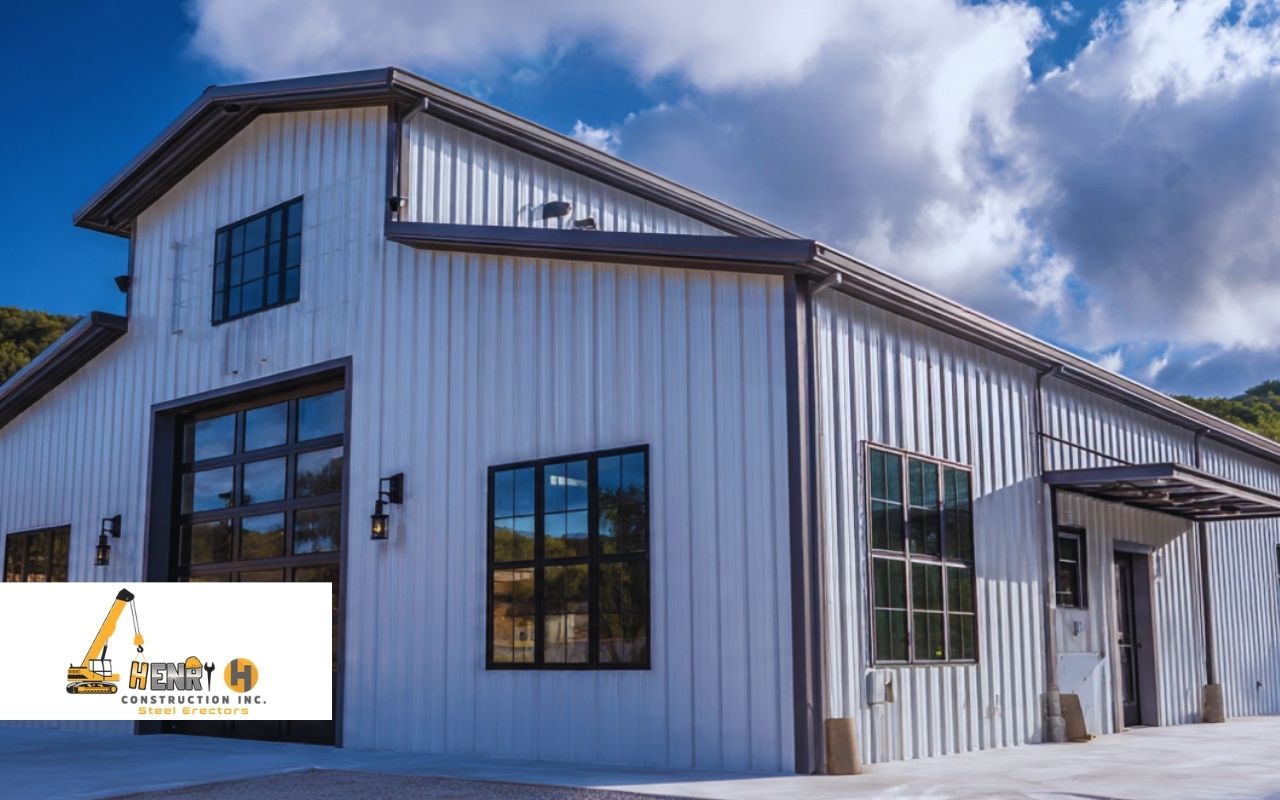
Metal Building Contractor in Carmel Design-Build Coordination brings designers, engineers, and crews together from the first planning day. This single team turns ideas into clear drawings and then into safe field work. Early talks about MEP penetrations, slab coordination, and insulation details reduce late changes and confusion.
Because everyone shares goals, updates, and simple checklists, decisions stay aligned. You can compare choices, track real progress, and protect quality from concept to closeout. With local code knowledge and practical building methods, the team supports your schedule and budget while keeping comfort and safety in view.
Why Metal Building Contractor in Carmel Design-Build Coordination Matters
When planning, design, and construction act like one process, you see faster decisions and fewer surprises. A single group manages risks, sets clear targets, and explains changes in plain language. In Carmel, this approach helps the team react quickly to weather shifts, inspections, and material lead times.
Because builders, trades, and designers meet early, drawings match real tools and methods. This coordination reduces clashes between structure, mechanical runs, and finishes. As a result, the field team spends more time building and less time fixing conflicts. You gain fewer change orders, smoother inspections, and a project that stays on track.
Setting the Project Vision and Scope
First, define a vision that guides every choice. Clarify the building’s purpose, space needs, and room for future growth. Then agree on performance basics such as durability, comfort, and easy maintenance. Simple, shared goals help everyone aim at the same result.
Next, turn the scope into everyday language that supports Metal Building Contractor in Carmel Design-Build Coordination. Describe the structure type, envelope system, doors, windows, finishes, and site work. Keep a short risk log that tracks weather, supply, and permitting issues, along with response steps for each item.
- List required rooms and functions in order of priority.
- Note energy targets and preferred systems in simple terms.
- Invite key trades early to confirm workable layouts.
- Adjust the scope as details improve, without losing the vision.
Early Planning for MEP Penetrations
Early planning for MEP penetrations protects both structure and schedule. First, list every duct, pipe, conduit, and vent. Then place openings in the model before steel detailing begins. Clear notes about sizes, sleeves, and fire-stopping help shop drawings show exact hole locations and sealing steps.
Moreover, careful layouts keep openings away from seams and fasteners, which reduces leaks and future vibration. Color-coded drawings show which trade owns each opening and seal, so there is less confusion in the field. Inspectors can then check fire, weather, and energy details without last-minute changes.
- Coordinate penetrations with beam lines, purlins, and wall girts.
- Review roof curb sizes and heights against insulation thickness.
- Match penetrations with under-slab paths where possible.
- Update drawings whenever equipment moves or changes.
Slab Coordination for Strength and Service
Good slab coordination keeps strength, flatness, and service routes working together. Confirm loads, joint layouts, and vapor control with the structural designer. Align slab thickening with column lines and heavy equipment pads. This approach helps avoid weak spots and random cracking.
Also, map under-slab utilities so drains and conduits do not clash with dowels, rebar mats, or control joints. Mark MEP penetrations with rigid templates before each pour to keep locations accurate. Solid Metal Building Contractor in Carmel Design-Build Coordination avoids tear-outs and keeps floors ready for both people and machines.
Structural System Choices for Metal Buildings
Select a structural system that fits spans, loads, and daily use while staying simple to erect. Compare rigid frames, tapered columns, and secondary members to balance clear height and layout options. Then review roof pitch and bay spacing with mechanical and lighting plans to reduce clashes.
In addition, confirm anchor bolt patterns early, linking base plates to slab coordination and door openings. Discuss design loads for cranes, storage racks, and snow or wind. When you work with metal building services in Carmel and an experienced steel erection company in Carmel, IN, shop drawings arrive accurate, and field crews receive parts that fit the first time.
Insulation Details for Comfort and Code
Clear insulation details control heat, moisture, and sound while meeting local codes. Choose systems that suit metal buildings, such as blankets, rigid boards, or mixed layers. Plan continuous insulation where needed and close gaps at girts, eaves, jambs, and sills to avoid drafts and cold spots.
Then set air and vapor control on the correct side of the assembly based on climate. Seal laps and penetrations with tested tapes and mastics. Confirm fire ratings near property lines and office ceilings. Thoughtful Metal Building Contractor in Carmel Design-Build Coordination keeps interiors stable, dry, and efficient across the seasons.
- Match insulation thickness to fastener length and curb height.
- Use diagrams to show seams, overlaps, and end conditions.
- Check continuity of insulation around windows and doors.
- Document insulation details for future maintenance or upgrades.
Building Envelope and Weather Protection
The building envelope works like a shield that directs water, air, and heat. Align panel layouts with structure to keep fasteners straight and flashings neat. Set proper roof slope, and size gutters and downspouts to handle heavy rain while protecting ground areas from splashback and erosion.
Additionally, seal joints at corners, ridges, and base trims with compatible sealants and backer rods. Plan roof-to-wall and wall-to-slab transitions so air and water barriers connect without gaps. Test small areas for leaks before closing the full building. This careful process guards materials and simplifies future maintenance.
Scheduling and Communication that Keep Pace
A realistic schedule follows material lead times, weather windows, and inspection dates. Short coordination meetings with clear agendas keep everyone aligned. Quick notes after each meeting stop decisions from getting lost. Simple look-ahead plans show who works where each week and help prevent trade overlap.
Furthermore, drawing changes should move through one shared channel with clear file names and dates. Confirm key field dimensions before fabricating custom parts. When problems appear, log them, assign owners, and track each item until it is closed. This steady rhythm supports safe crews, staged deliveries, and smoother inspections.
Quality Control and Inspection Readiness
Quality control starts with checklists that match drawings and codes. Inspect slab work before each pour, steel during framing, and envelope details during panel and flashing installation. Verify torque on fasteners, sealant types at joints, and consistent insulation thickness at both roofs and walls.
Also, review fire-stopping at MEP penetrations and label key locations for later access. Take photos of hidden work, such as under-slab lines and wall layers, to support closeout documents. Invite inspectors early to confirm expectations and special tests. Fix small issues quickly and record each correction so the whole team learns.
Frequently Asked Questions
What is Metal Building Contractor in Carmel Design-Build Coordination?
This term describes one team handling both building design and construction for a metal project in Carmel. Designers, trades, and field crews work together from the start. As a result, you see faster decisions, fewer conflicts, and clearer communication from early planning to final handover.
How early should we plan MEP penetrations?
It is best to plan MEP penetrations as soon as you define major equipment and room layouts. Early planning protects structure, envelope, and schedule. When openings appear on drawings before steel detailing and slab work, you avoid last-minute drilling, patching, and costly delays in the field.
Why is slab coordination so important in metal buildings?
Slab coordination keeps loads, joints, and under-slab utilities working together. When drains, conduits, and dowels align, the slab stays strong and serviceable. Good planning reduces cracking, trip hazards, and rework. It also makes later equipment moves and new service lines far easier to handle.
What should I focus on in insulation details?
Focus on continuity, correct placement, and tested materials. Insulation must cover key surfaces without gaps, and air or vapor barriers must sit on the right side. In addition, pay attention to edges, penetrations, and joints. These small areas strongly affect comfort, moisture control, and energy use.
When should I contact the contractor about my project?
You should reach out once you have a basic vision, budget, and timeline. Early contact allows the team to guide MEP penetrations, slab coordination, and insulation details from day one. Use the contact form to share your metal building project details and explore practical next steps.
Handover, Training, and Future Flexibility
Handover should start long before the last inspection. As systems go in, collect product data, warranties, and maintenance steps. Label shut-offs, panels, and access doors in a way building staff can understand. Simple guides and photos help future teams repair or upgrade systems with confidence.
Finally, plan for growth. Record locations of MEP penetrations, sleeves, and insulation details so new equipment can tie in without guesswork. Leave space for added ducts, pipes, or conduits, and align slab joints with likely expansion areas. This approach supports smooth adjustments as needs change over time.